





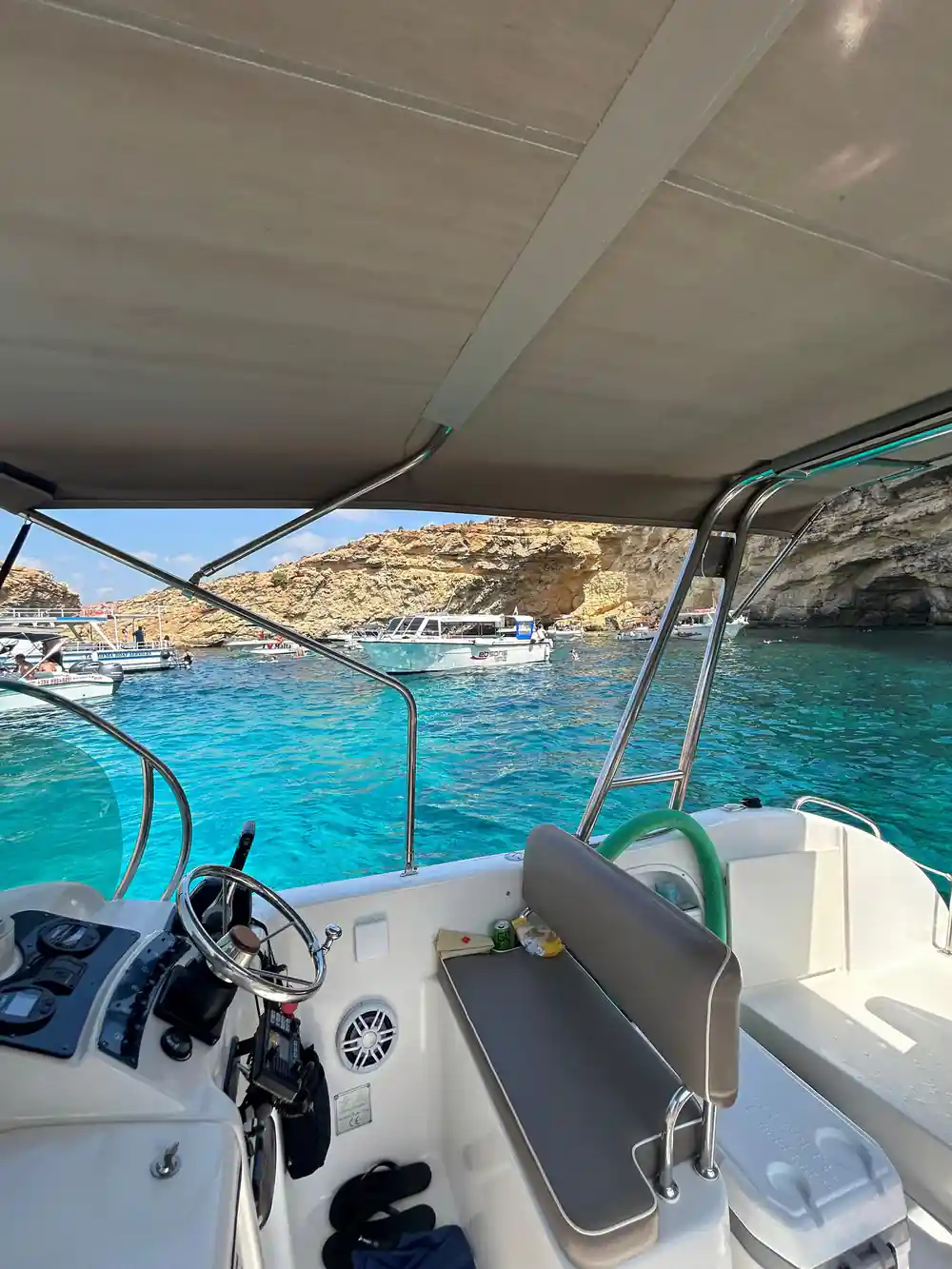


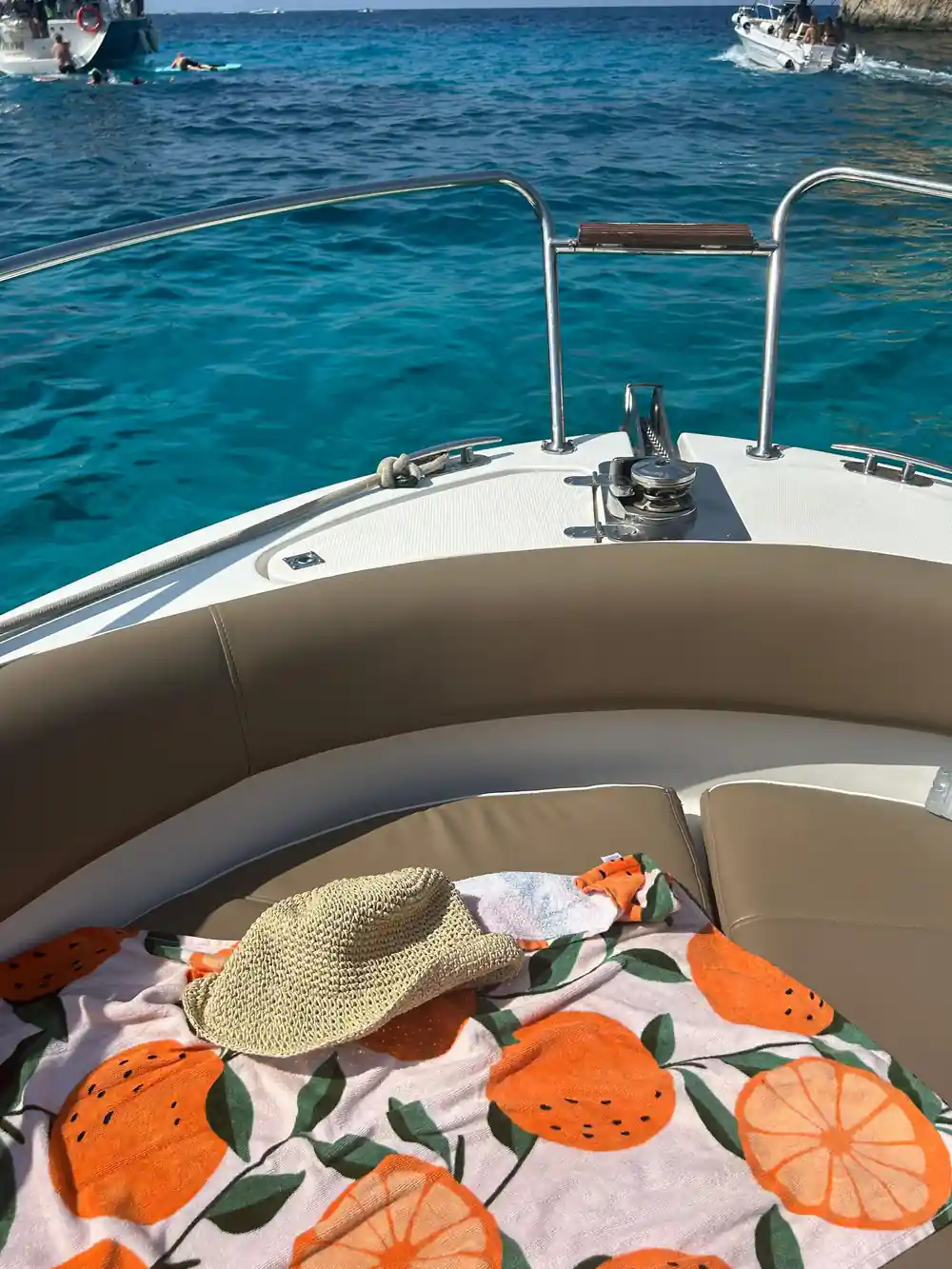


What a private Blue Lagoon charter actually is
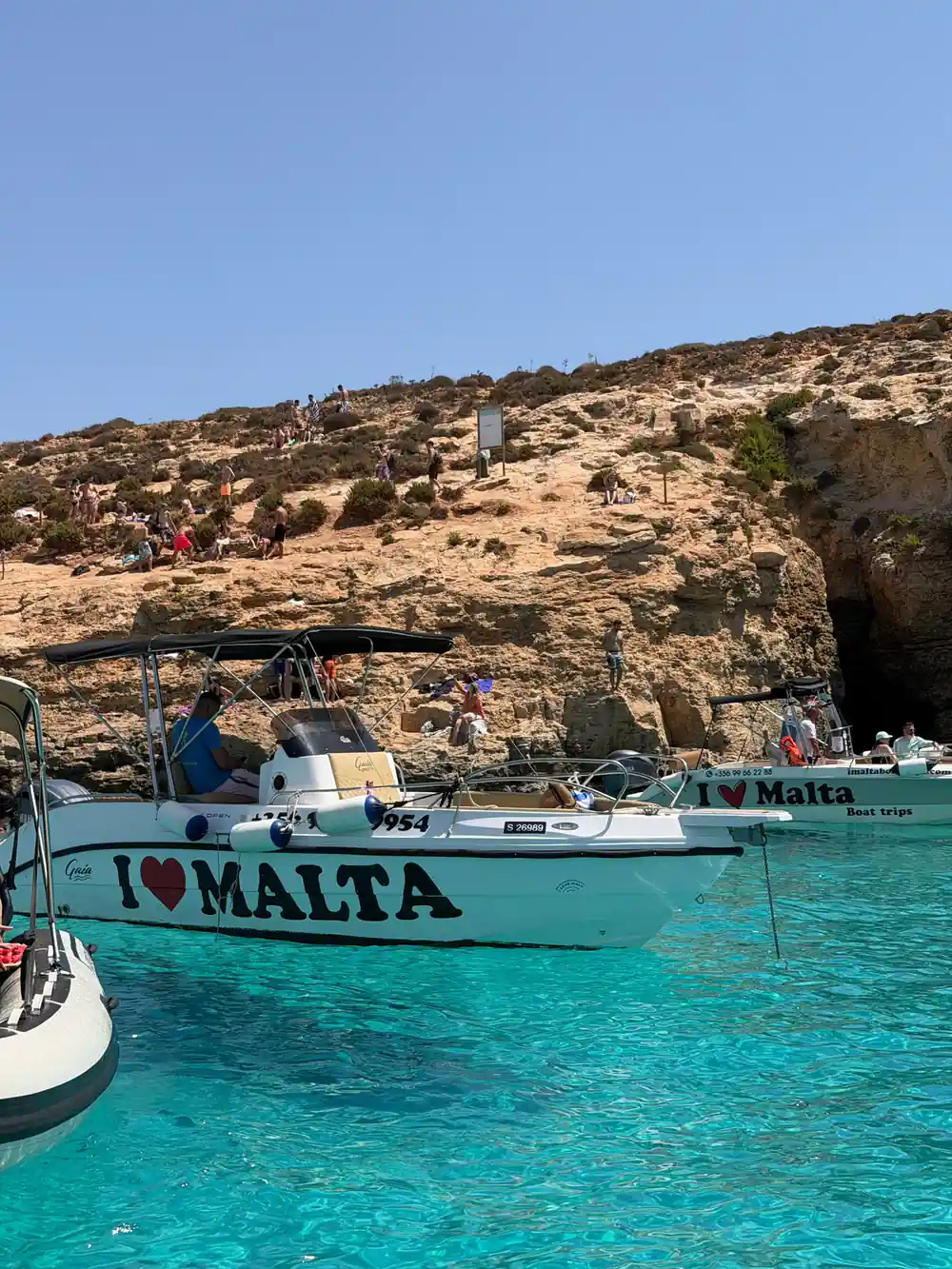
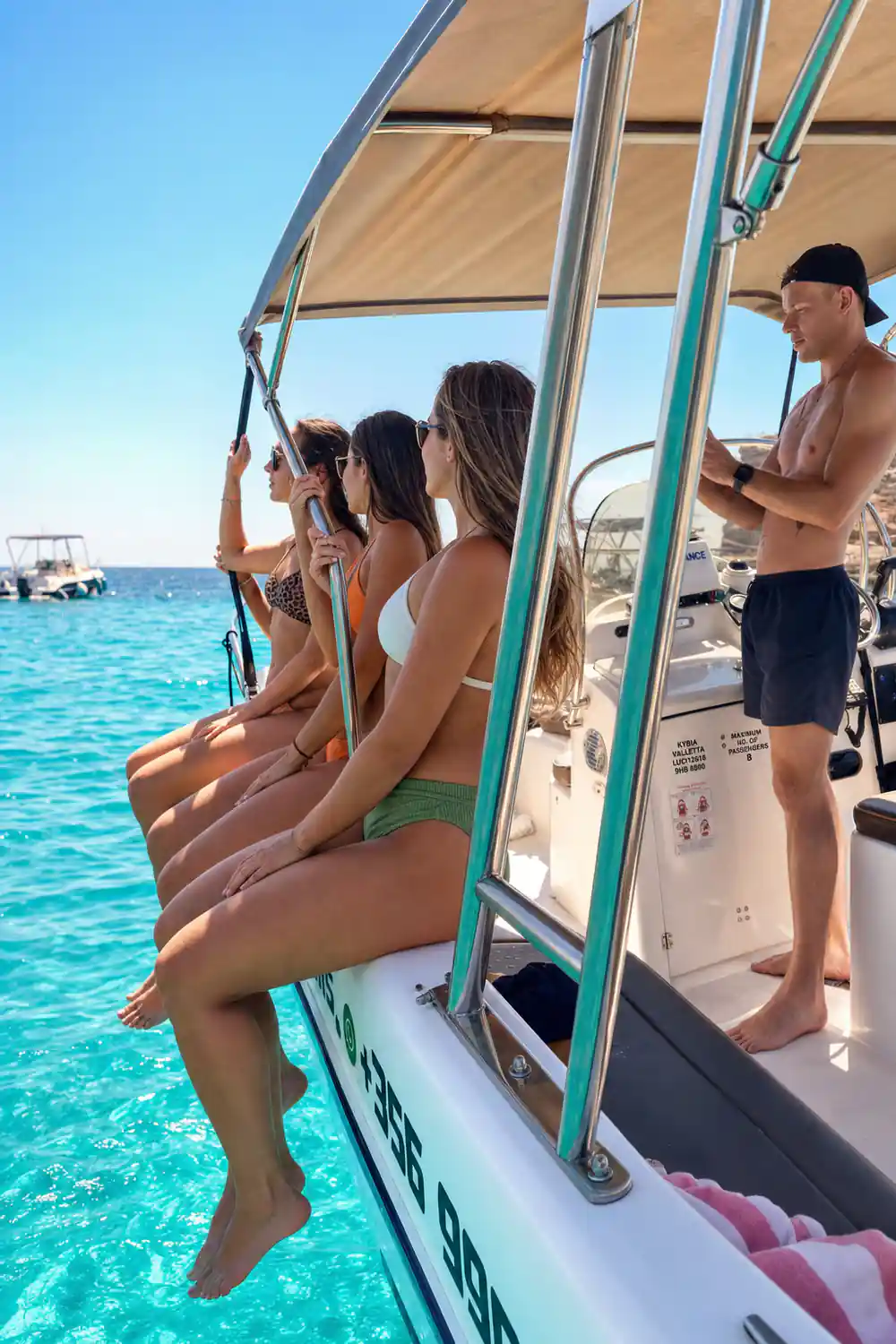
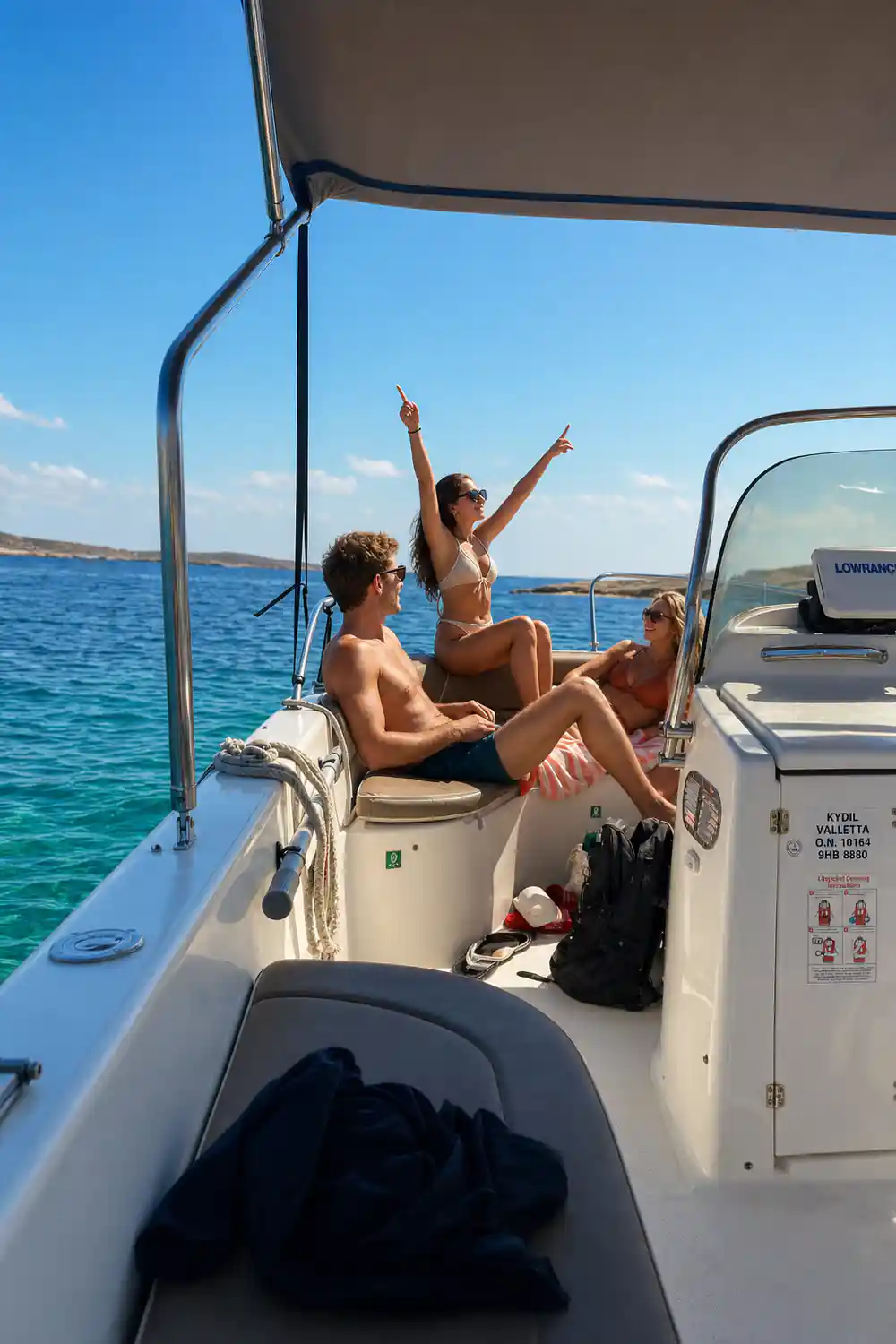
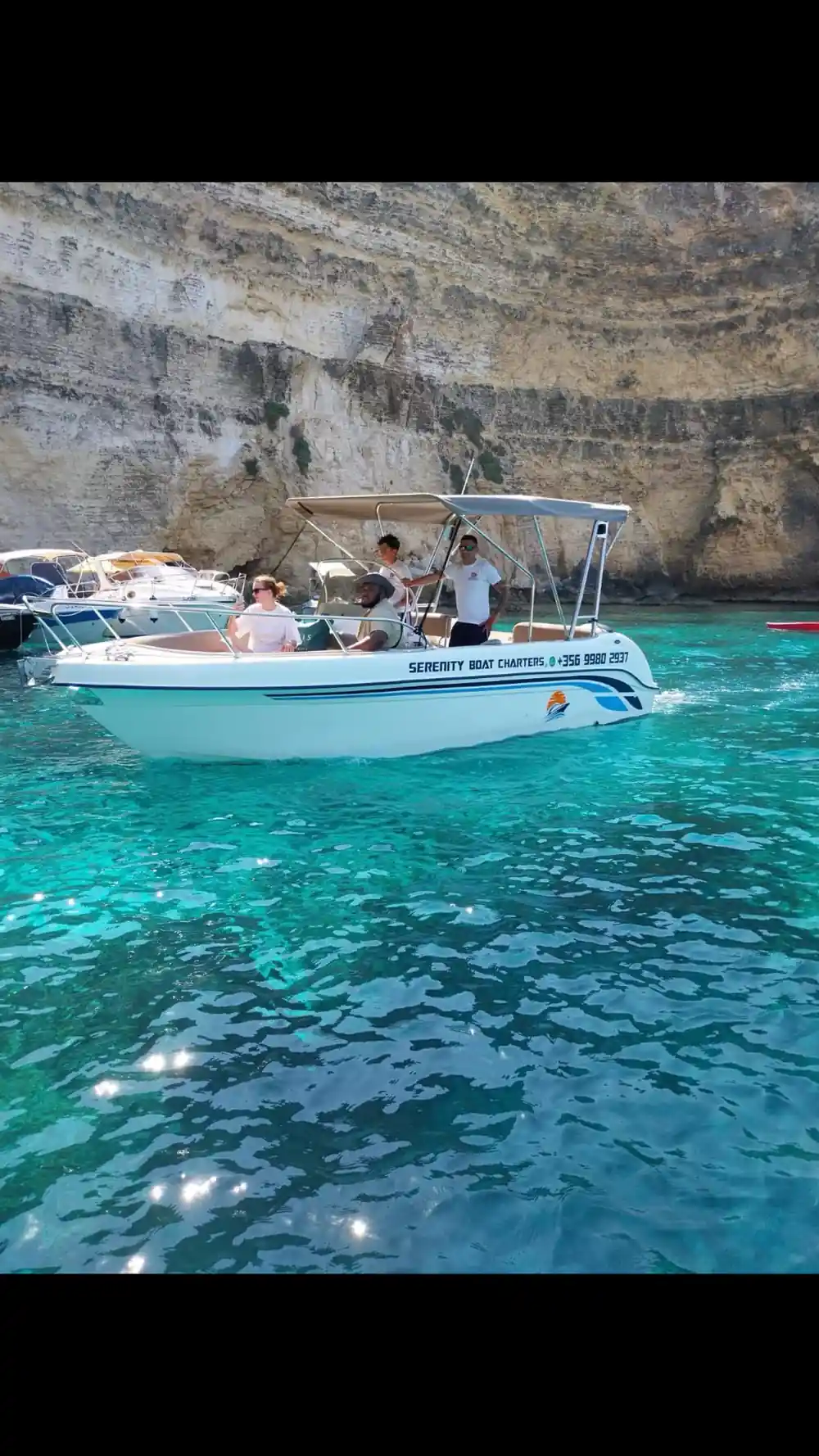
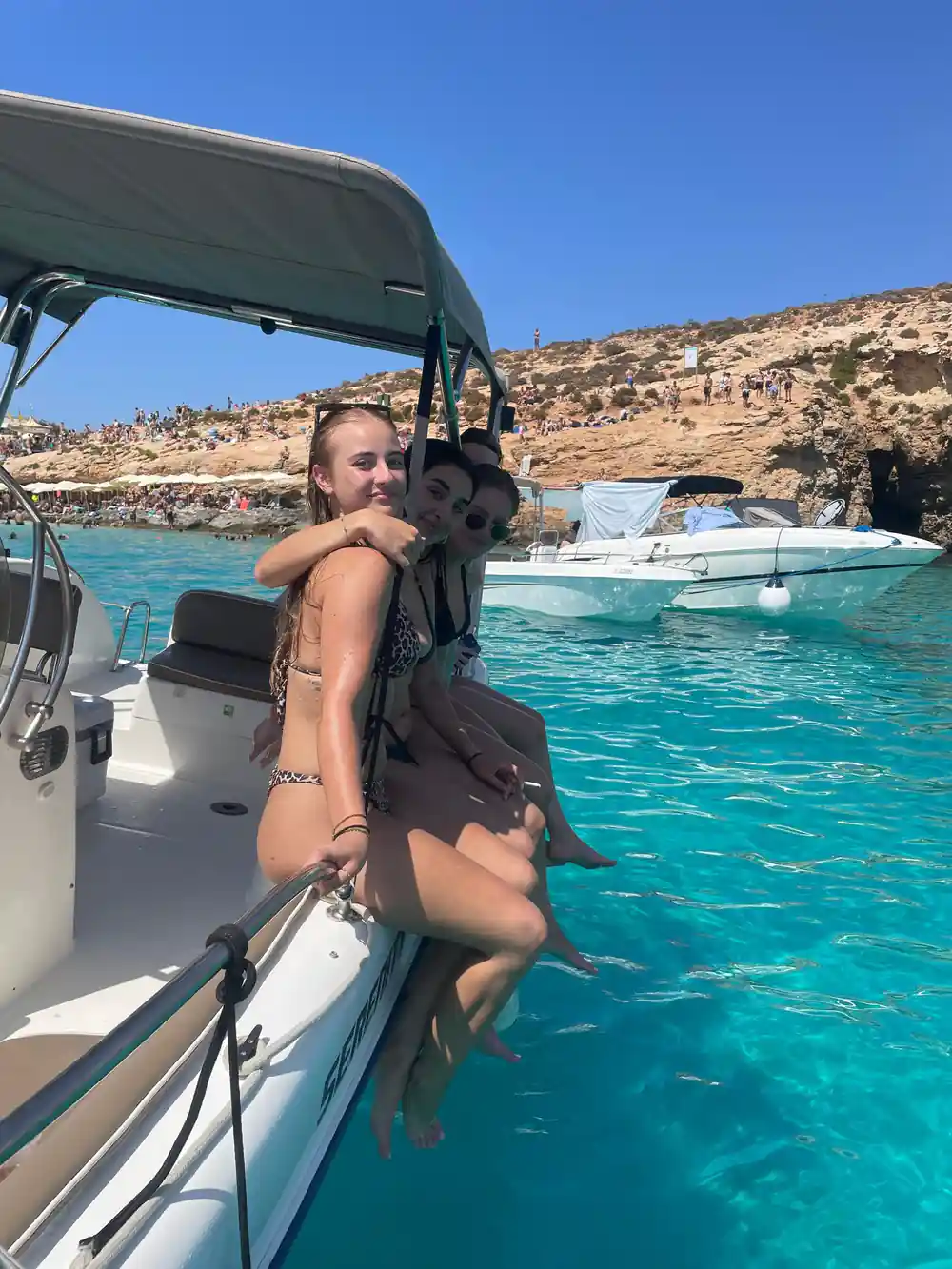
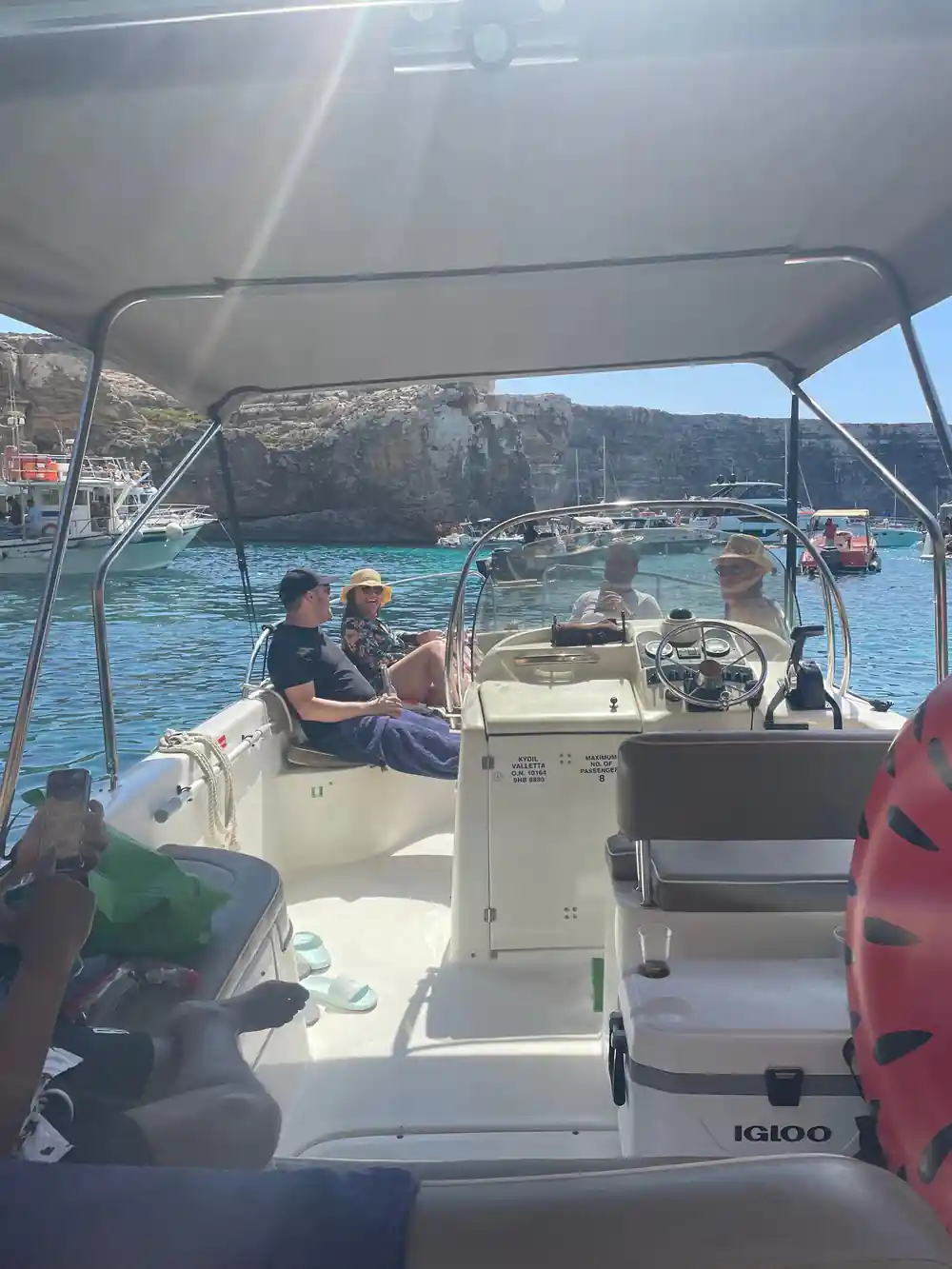
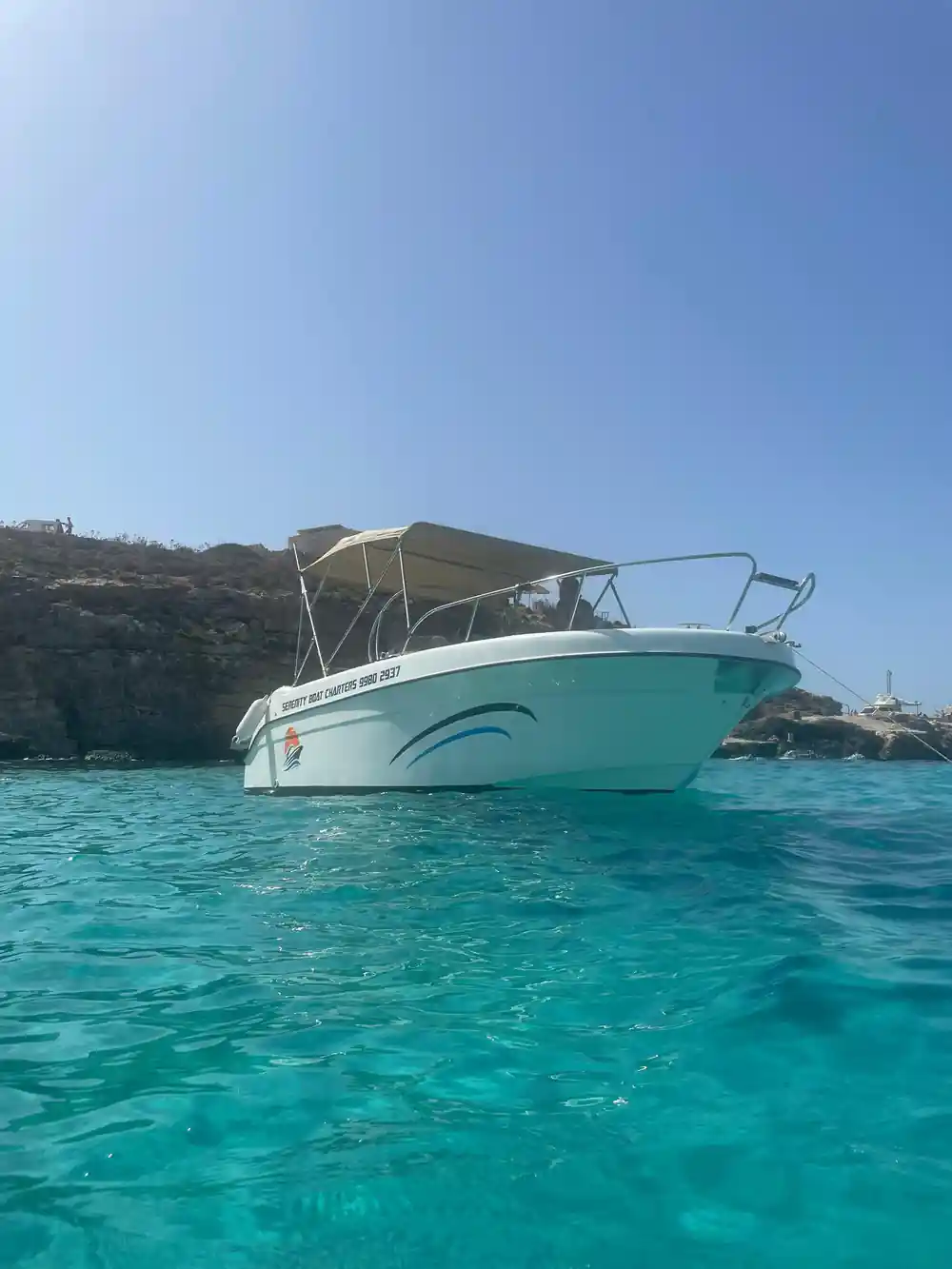
You book a boat rather than a seat. It comes with a local skipper who runs it and guides the trip, and for the block of hours you have chosen the boat carries your group and nobody else. There is no schedule to keep to beyond the one you agree between you, and no other passengers whose plans have to be accommodated.
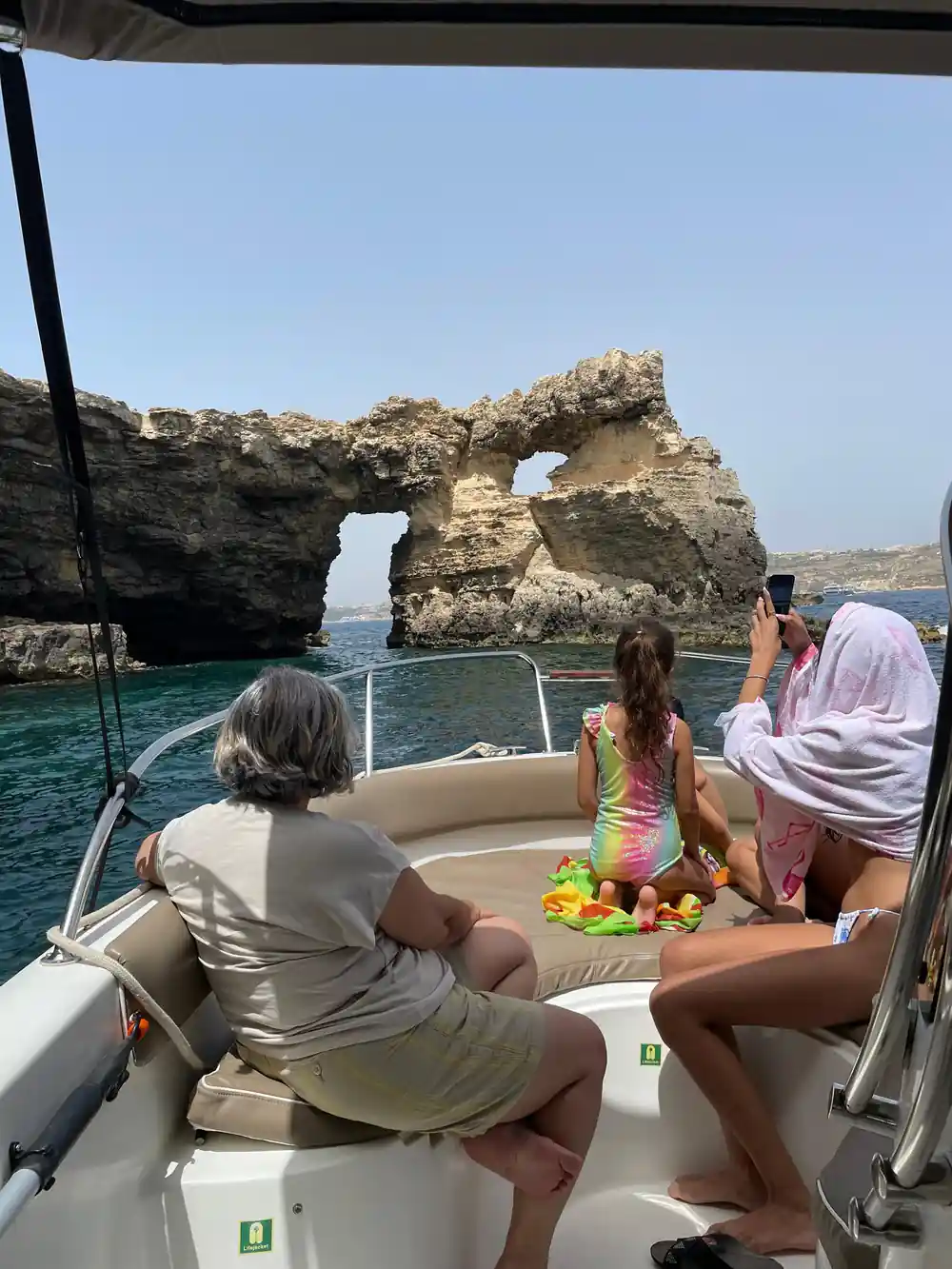
That sounds like a small distinction and it is the whole product. Comino is reachable by scheduled ferry and by big group day-trip boats, and both of those work perfectly well. What neither can do is leave at the hour you want, stop where you want, stay as long as you want at the stop you liked, and turn into a cave because the skipper thinks you would enjoy it.
The block is two, three or four hours depending on what you book. Four is the one that lets you take in the Blue Lagoon, the Crystal Lagoon, the caves along the south side and still not feel hurried.
Why the water is that colour
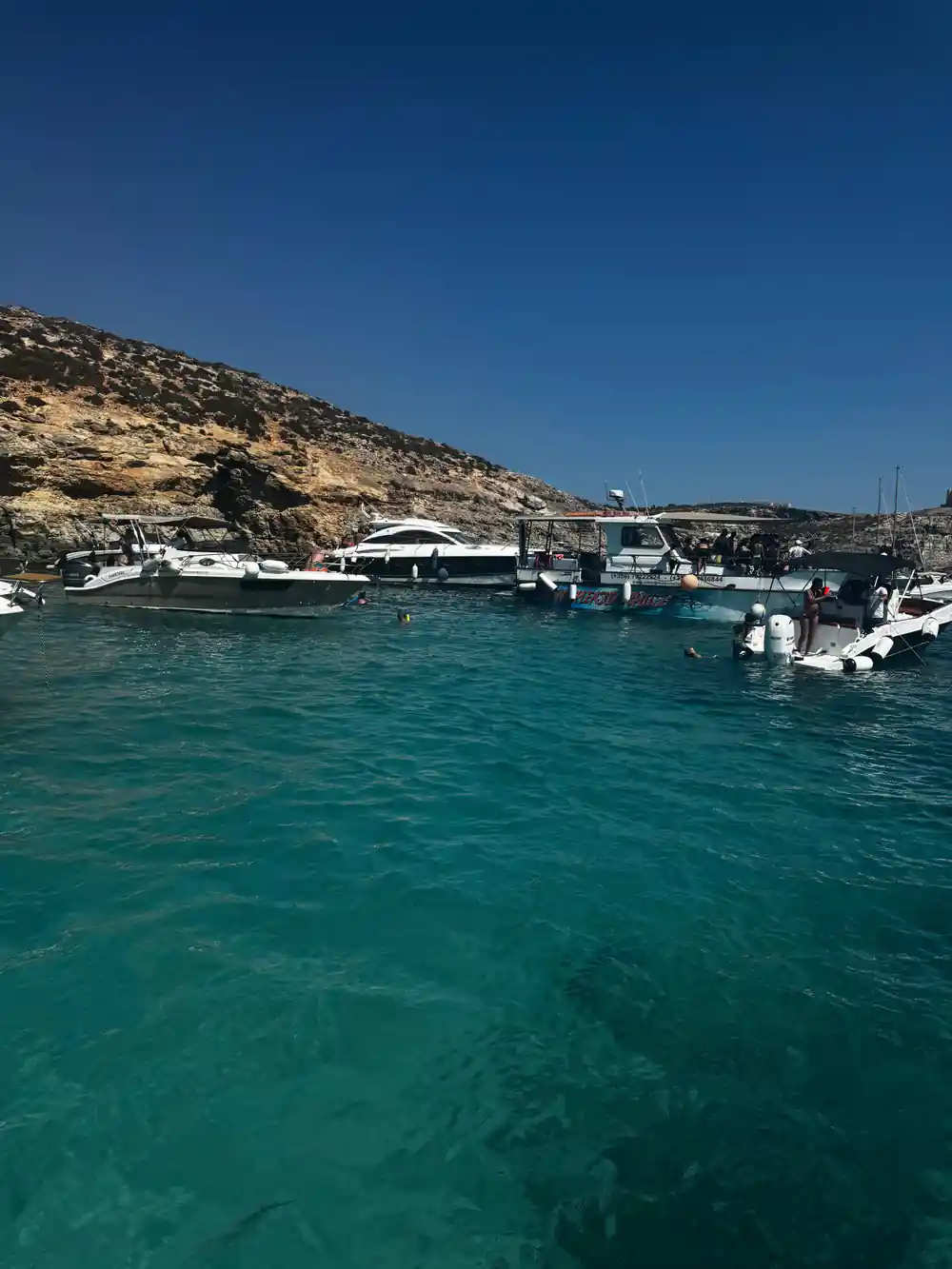
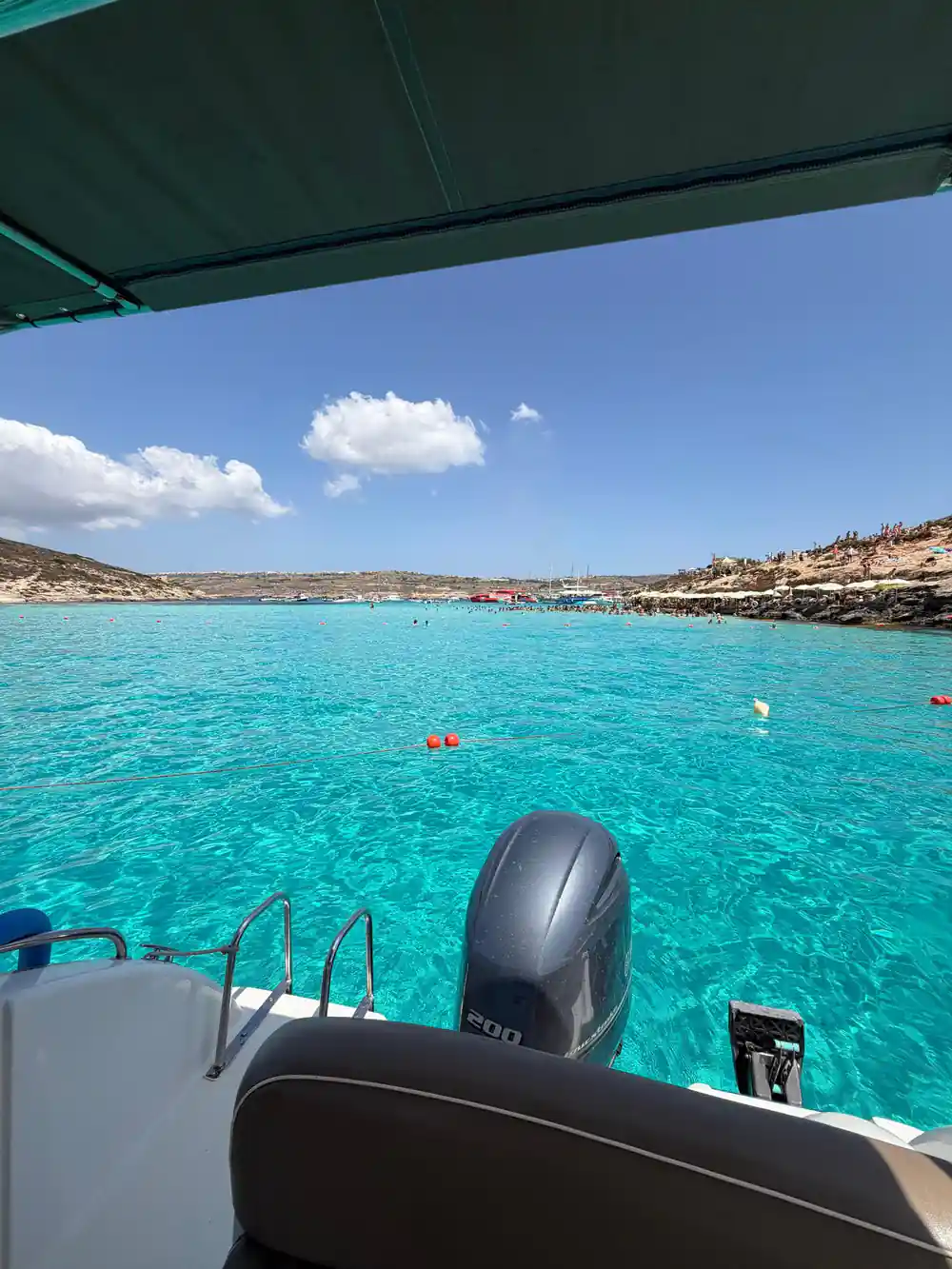
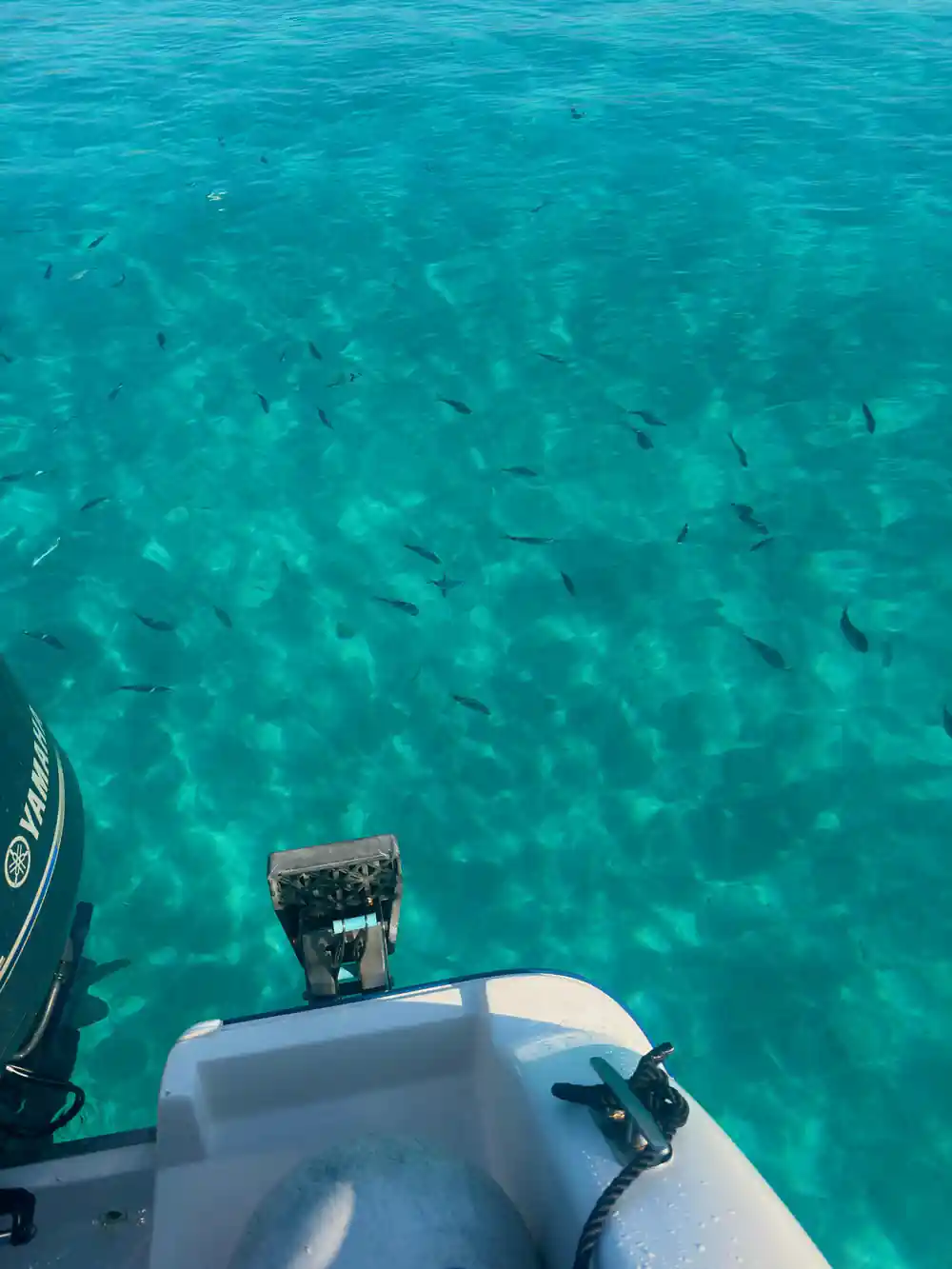
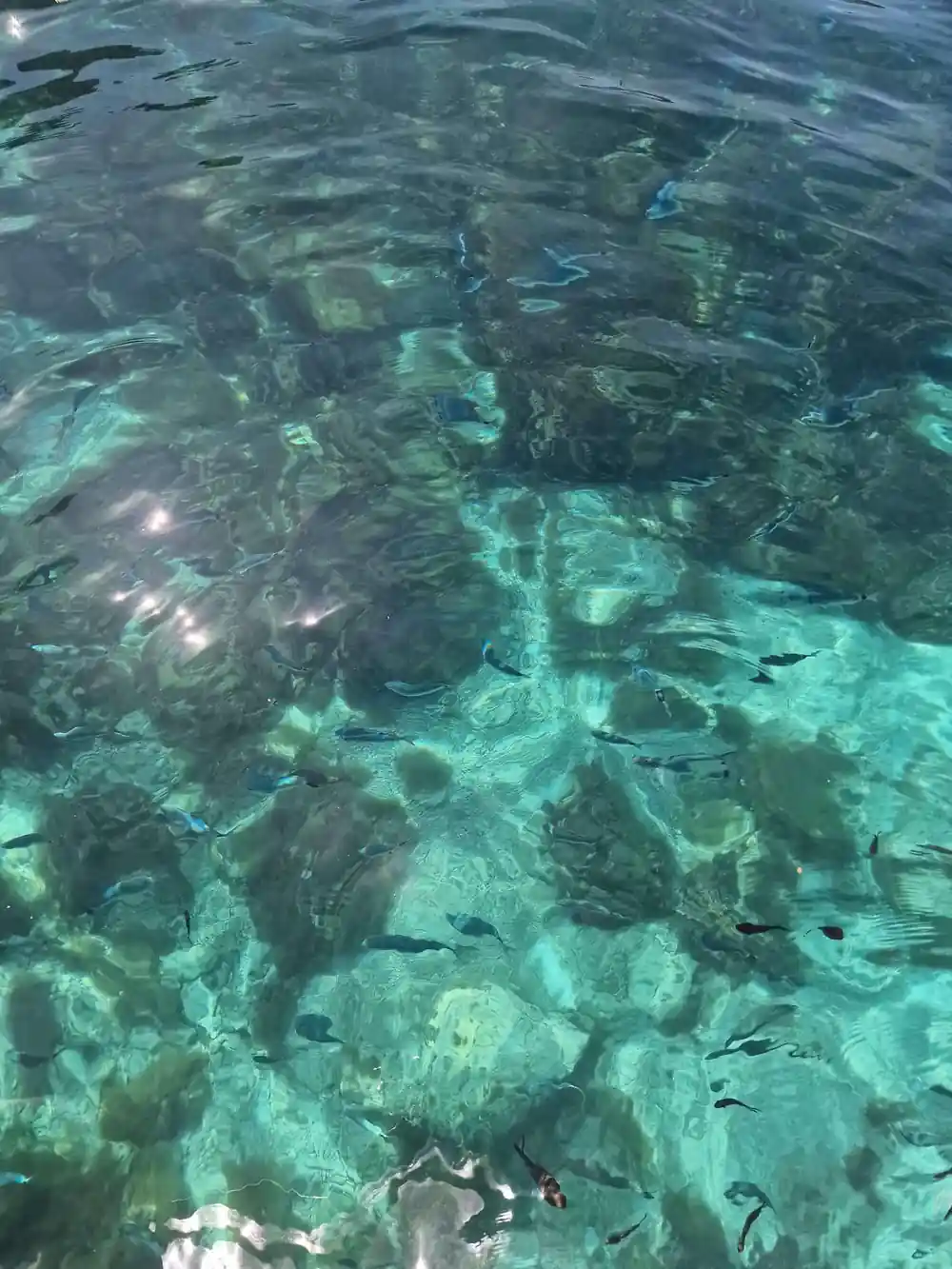
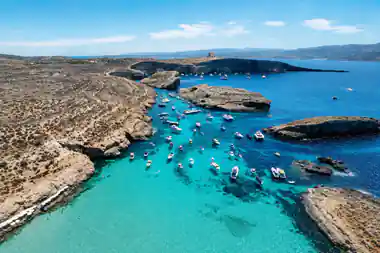
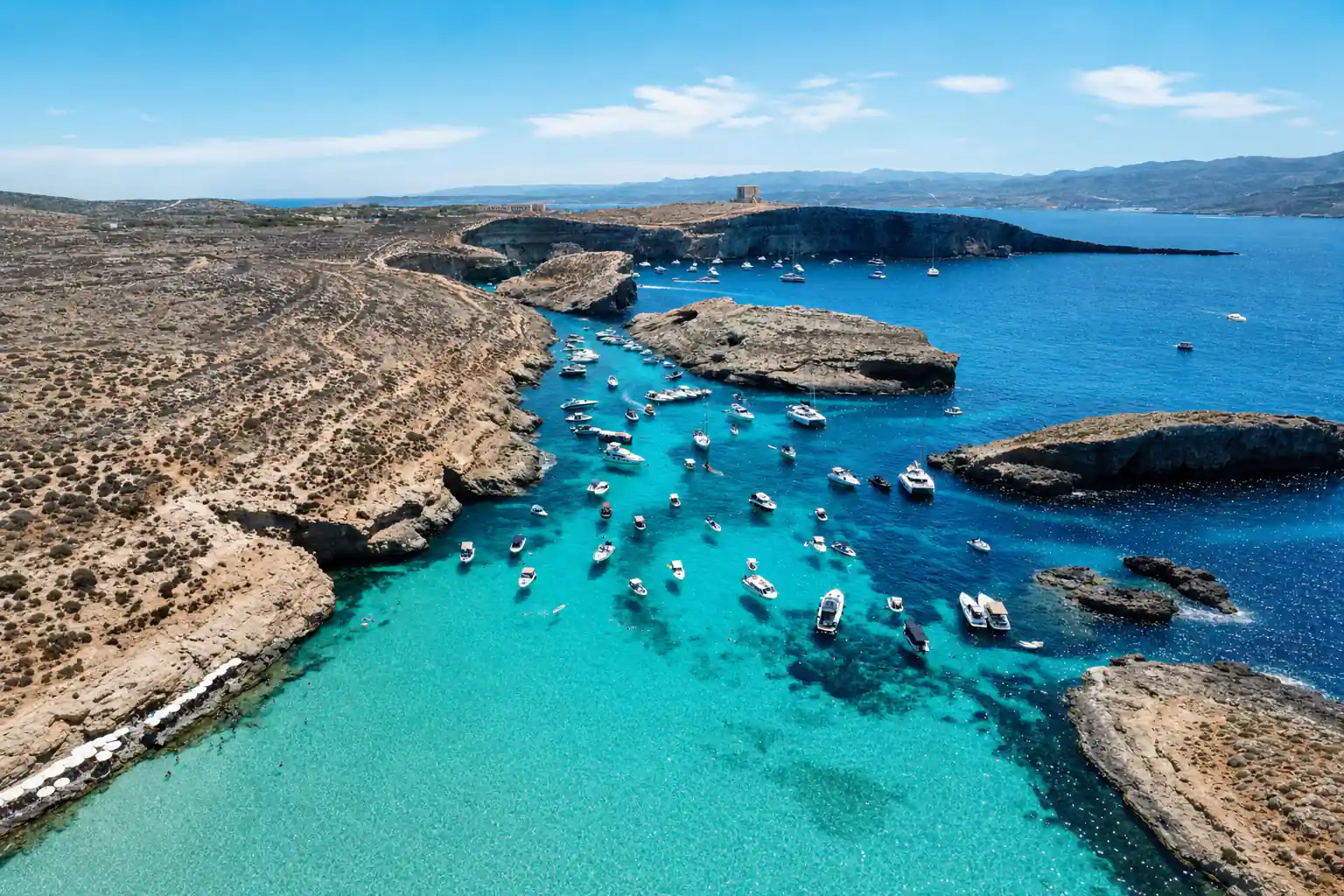
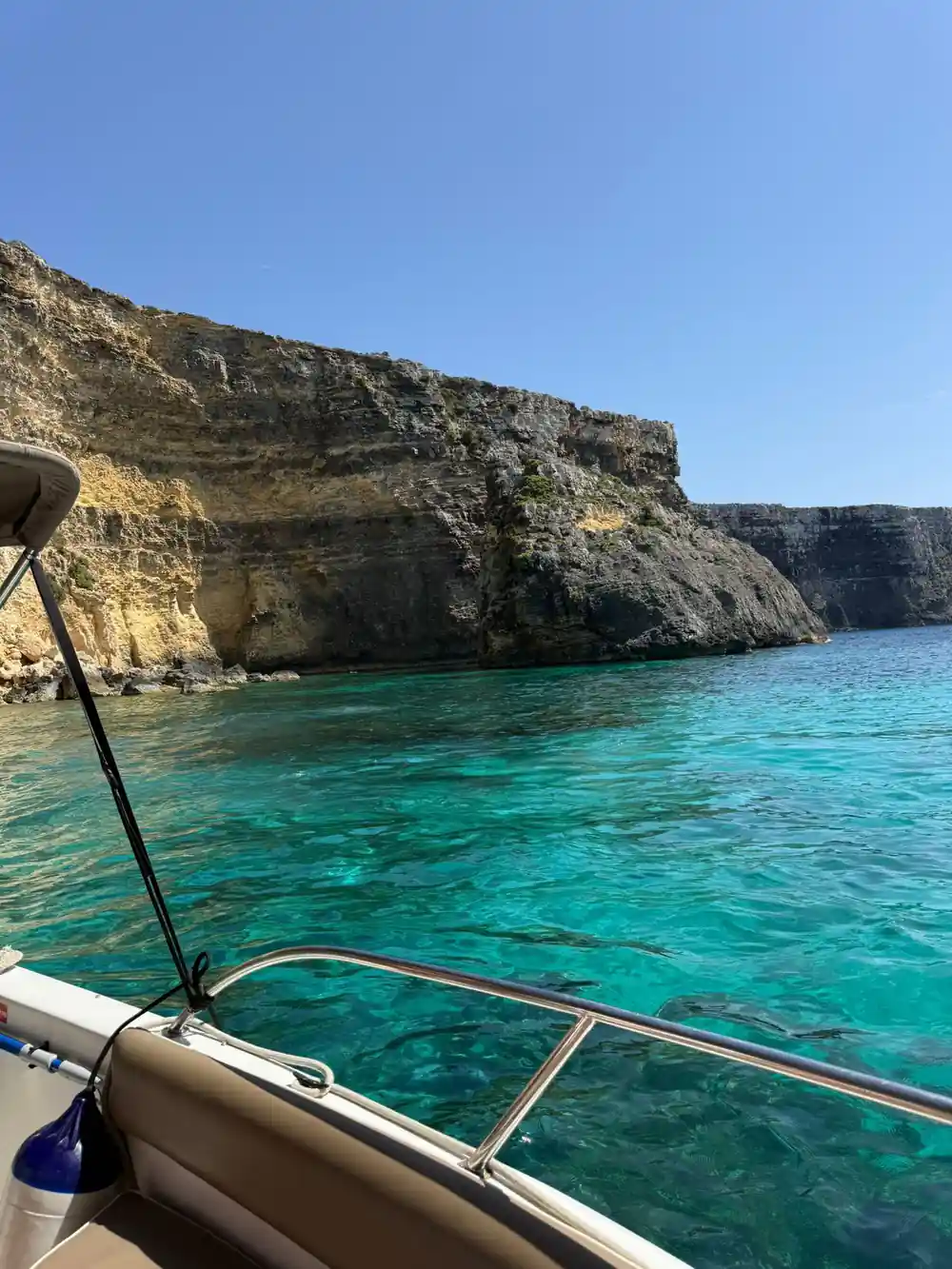
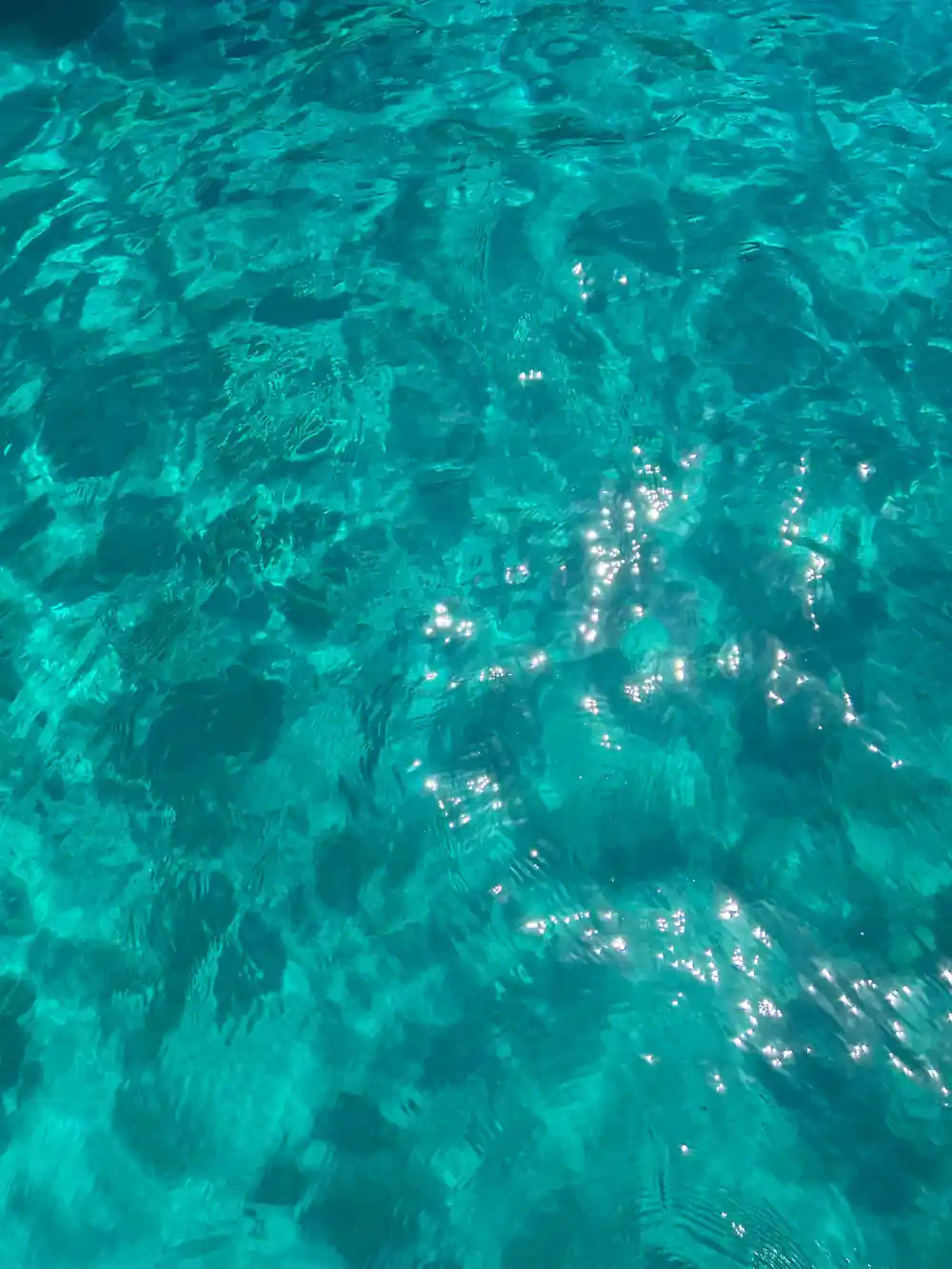
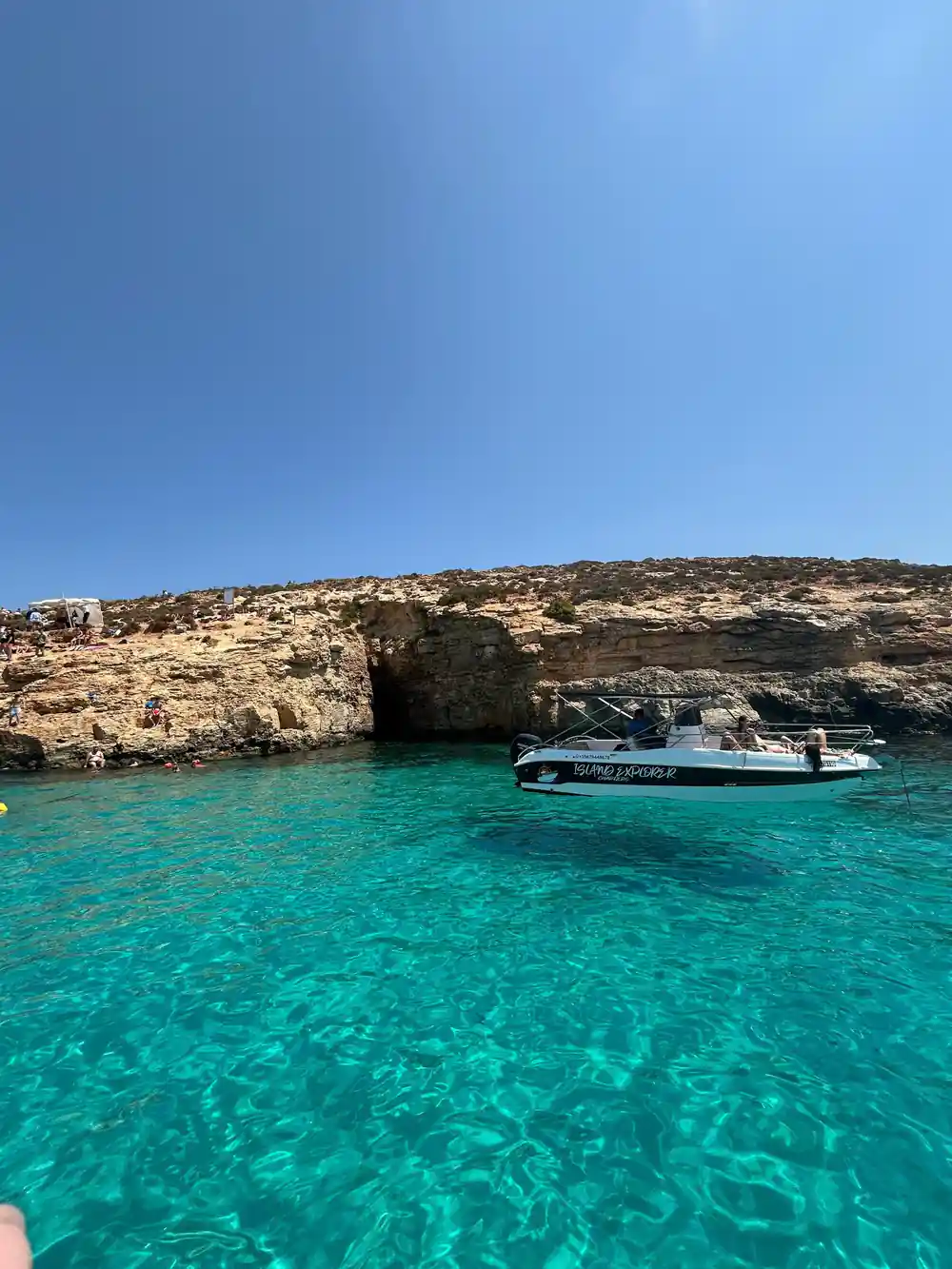
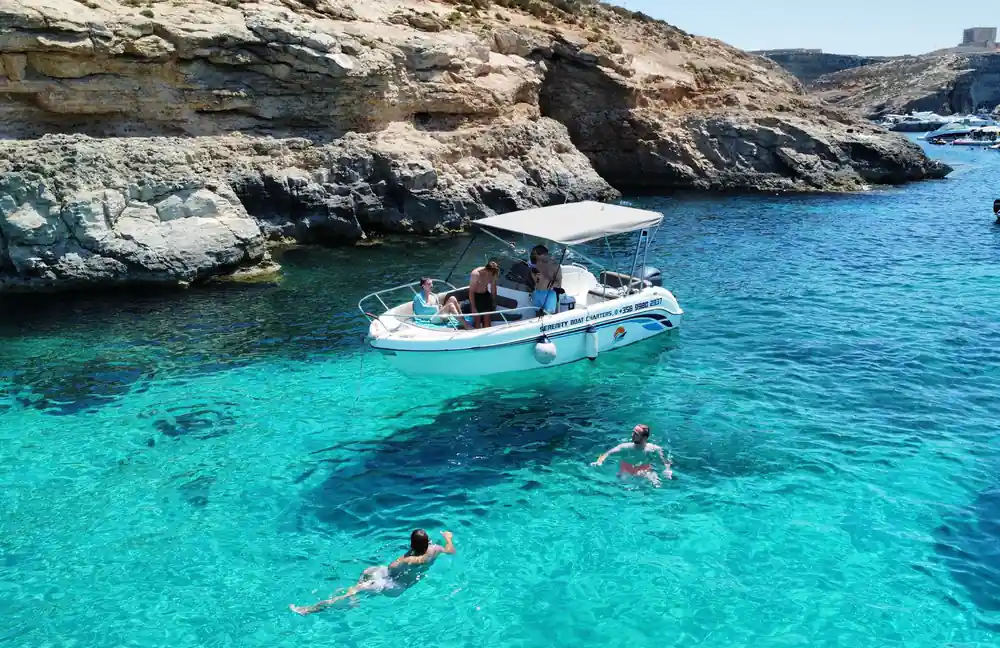
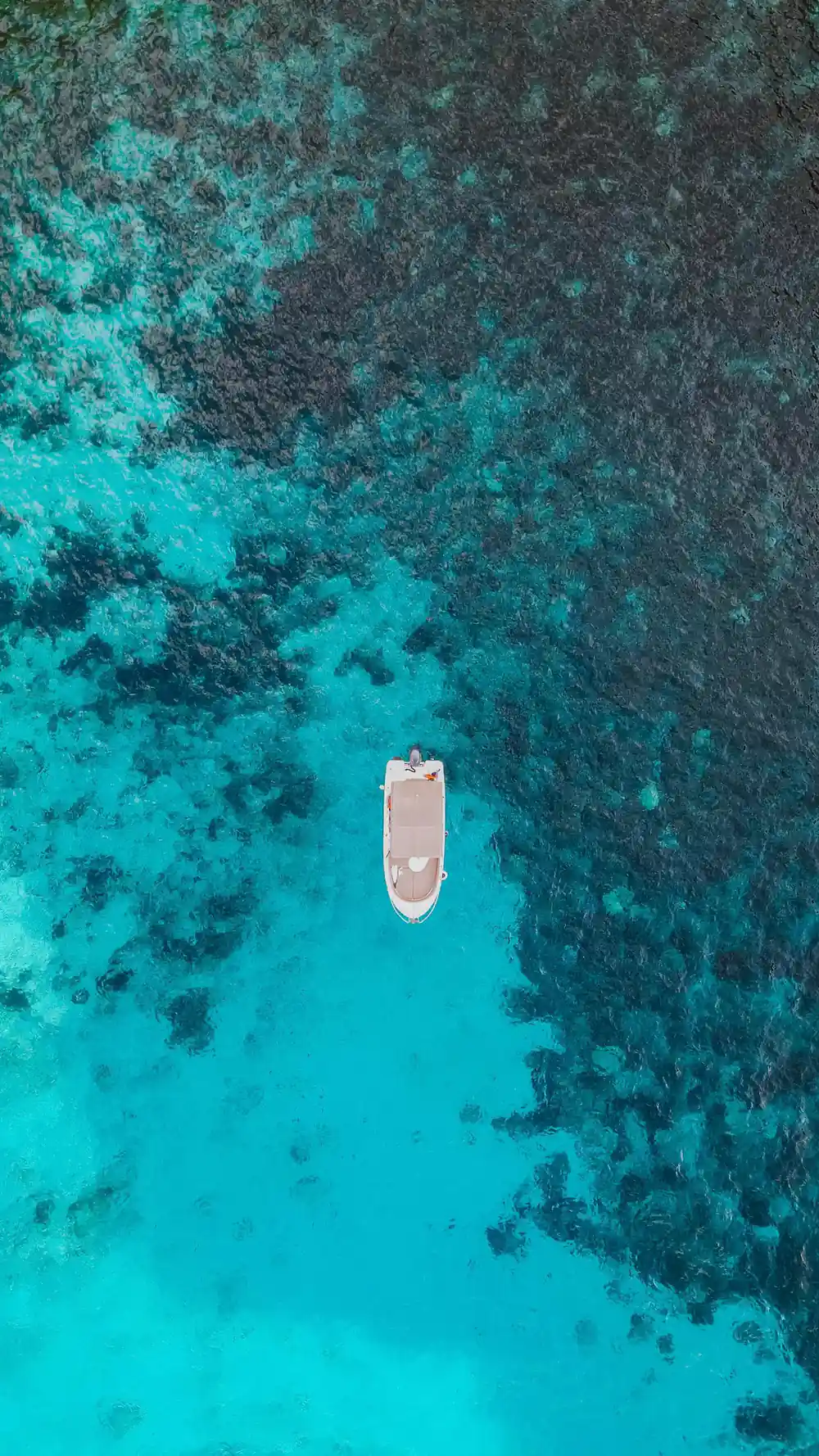
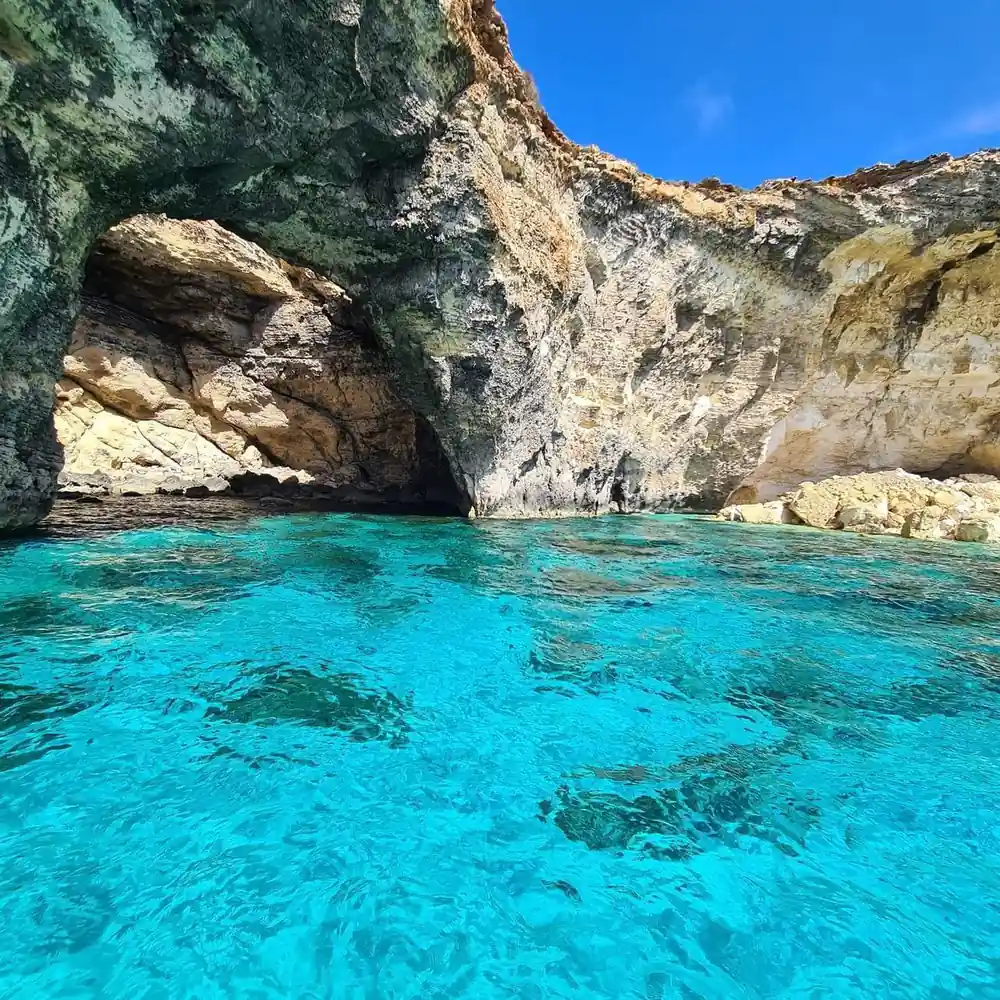
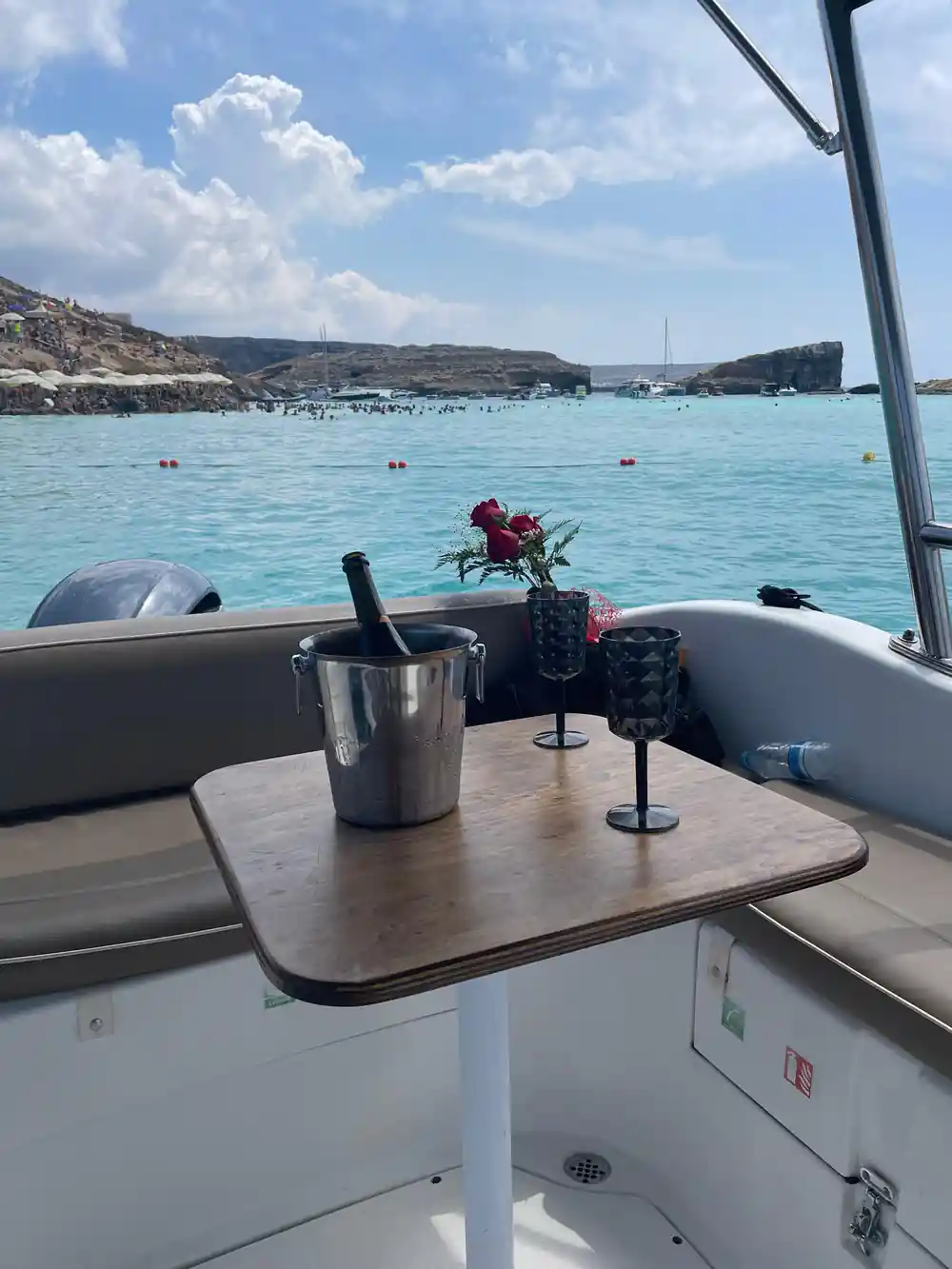
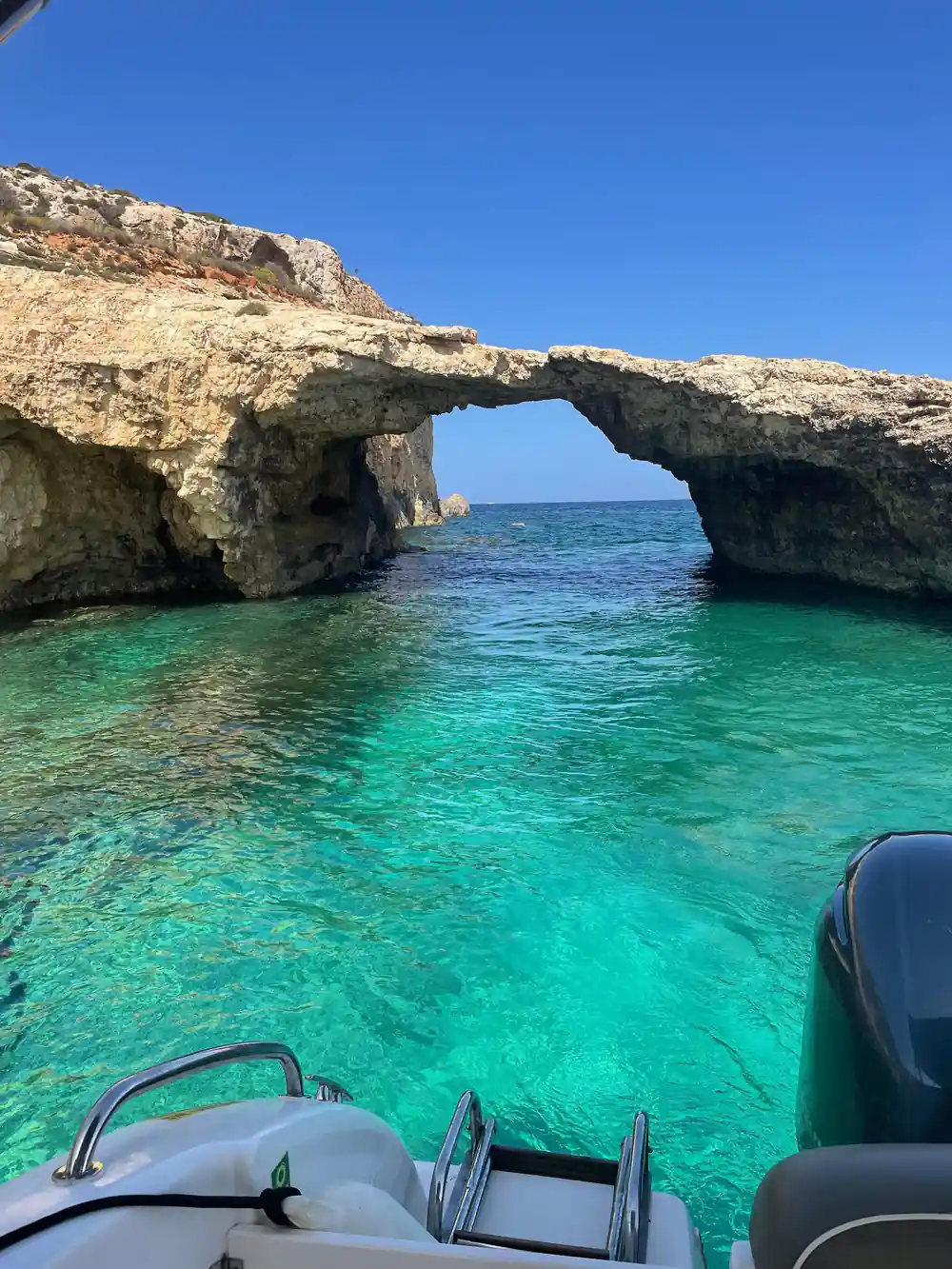
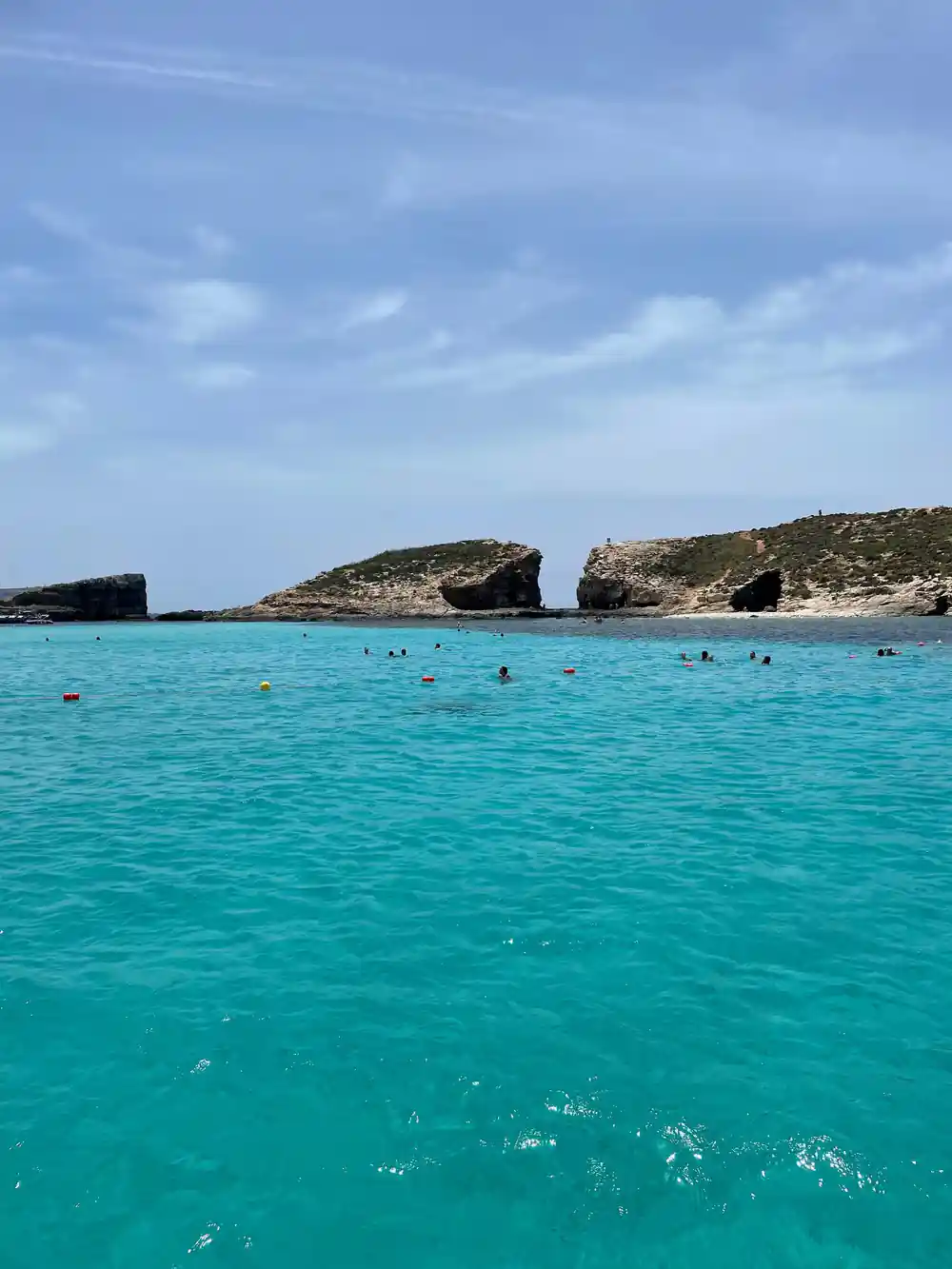
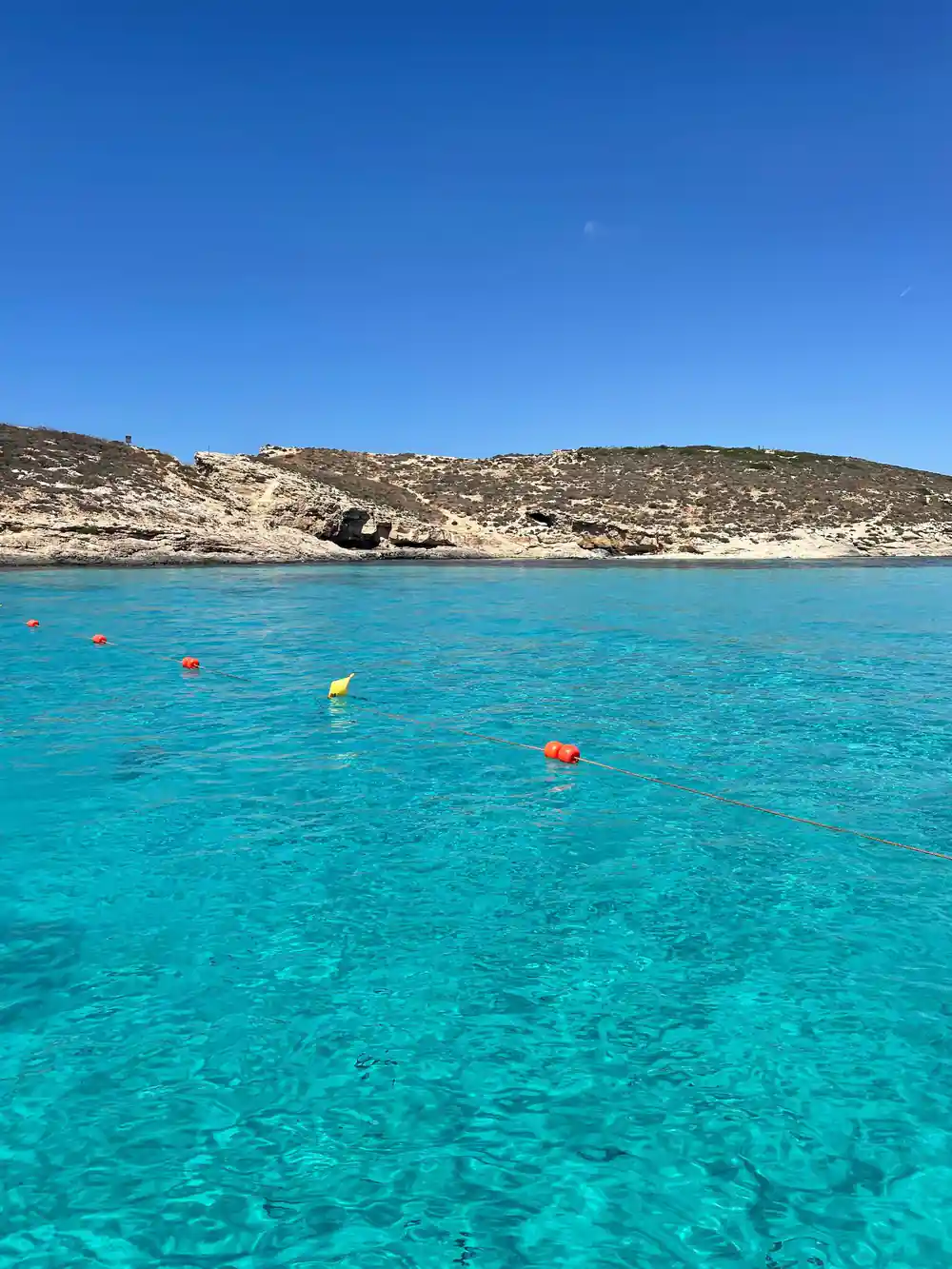
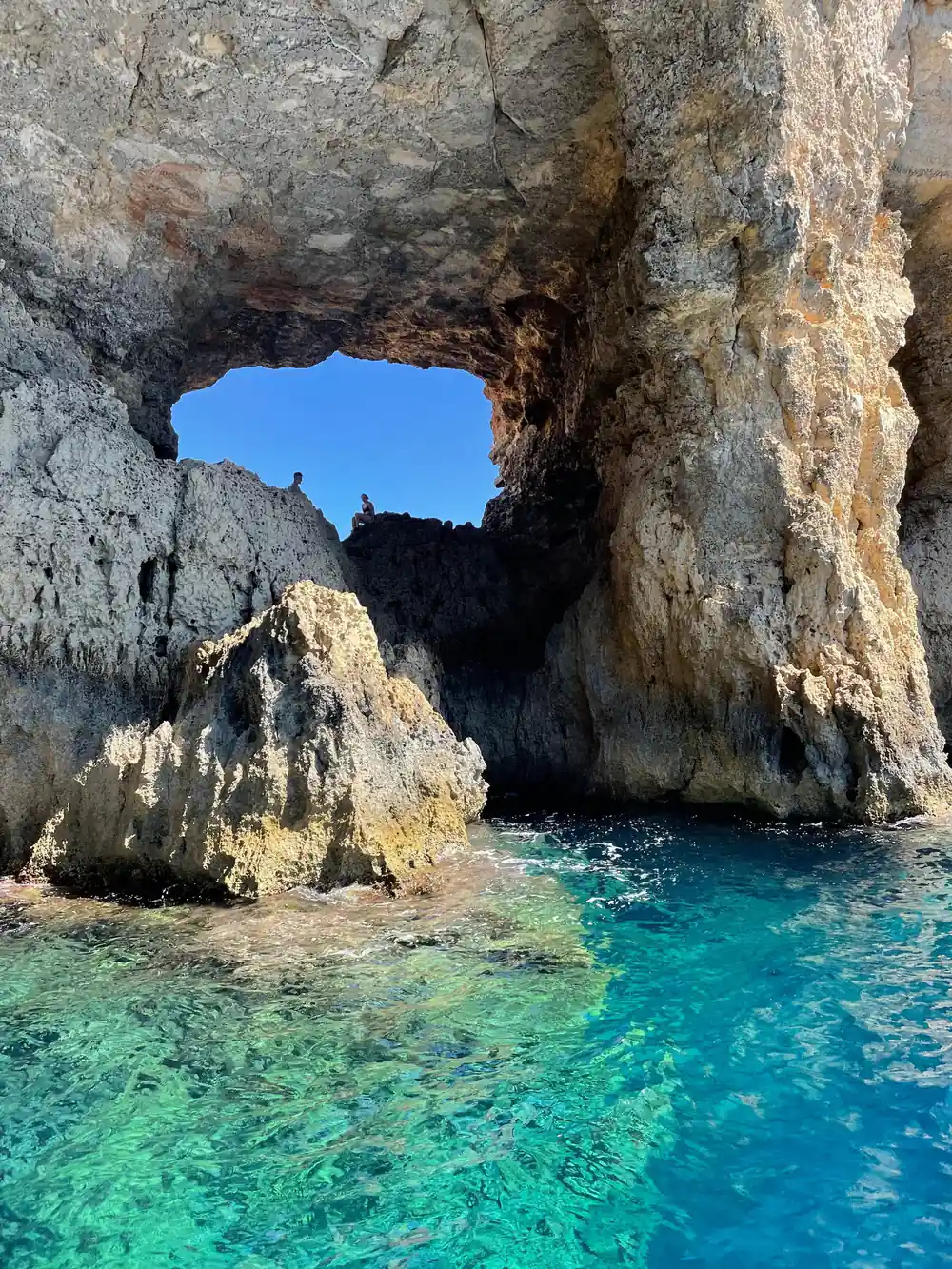
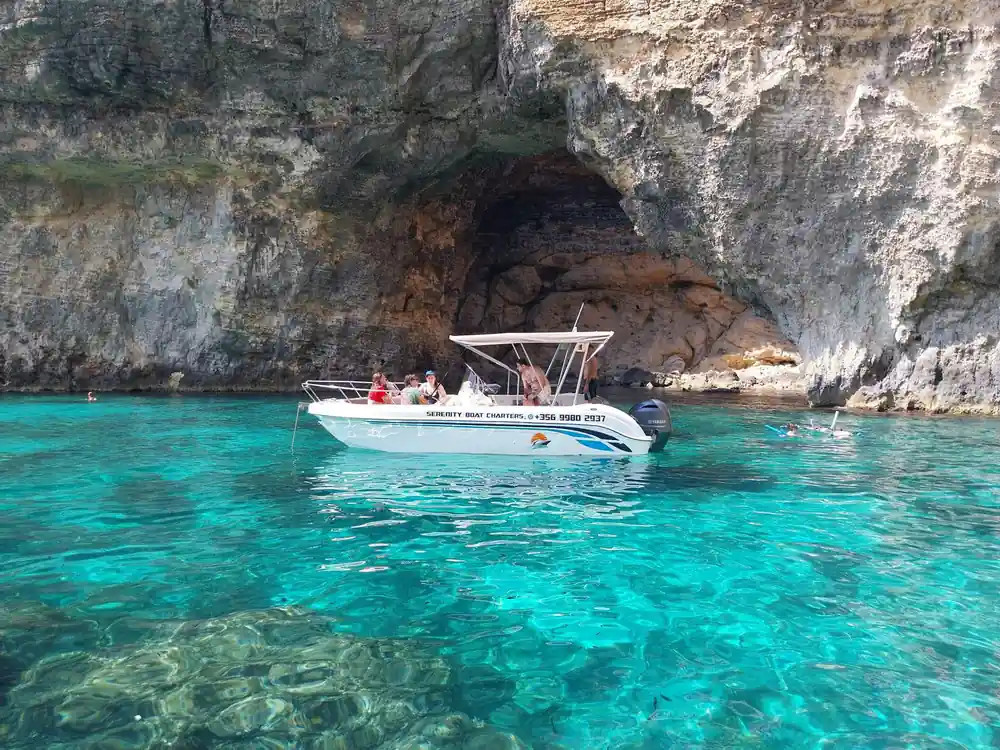
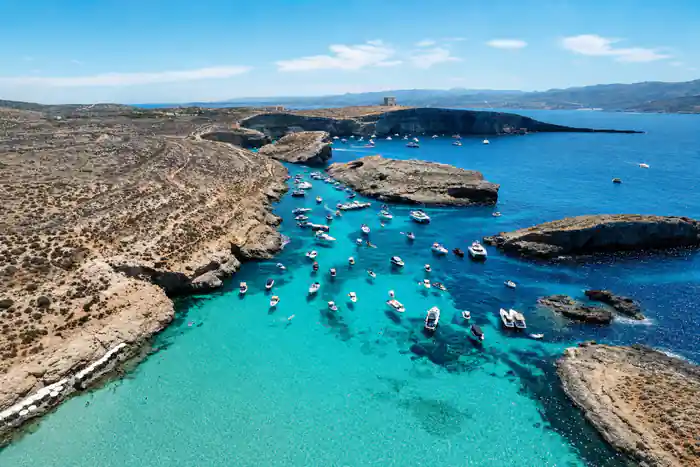
The Blue Lagoon is the channel between Comino and Cominotto, the small island facing it. It is shallow, and its bed is pale sand over limestone rather than dark rock or weed. Light goes down through very clear water, hits a white bottom and comes straight back up, which is what produces turquoise.
That is the honest answer to the question everyone asks about the photographs. They are not exaggerated. If anything a camera struggles to record how bright it is in the middle of the day, because the contrast between the water and the pale rock around it is beyond what most sensors handle comfortably.
The colour is strongest when the sun is high and the water is still, which is also, inconveniently, when the bay is busiest. Early morning gives you slightly less intensity and a great deal more space.
The crowd problem, and the actual solution
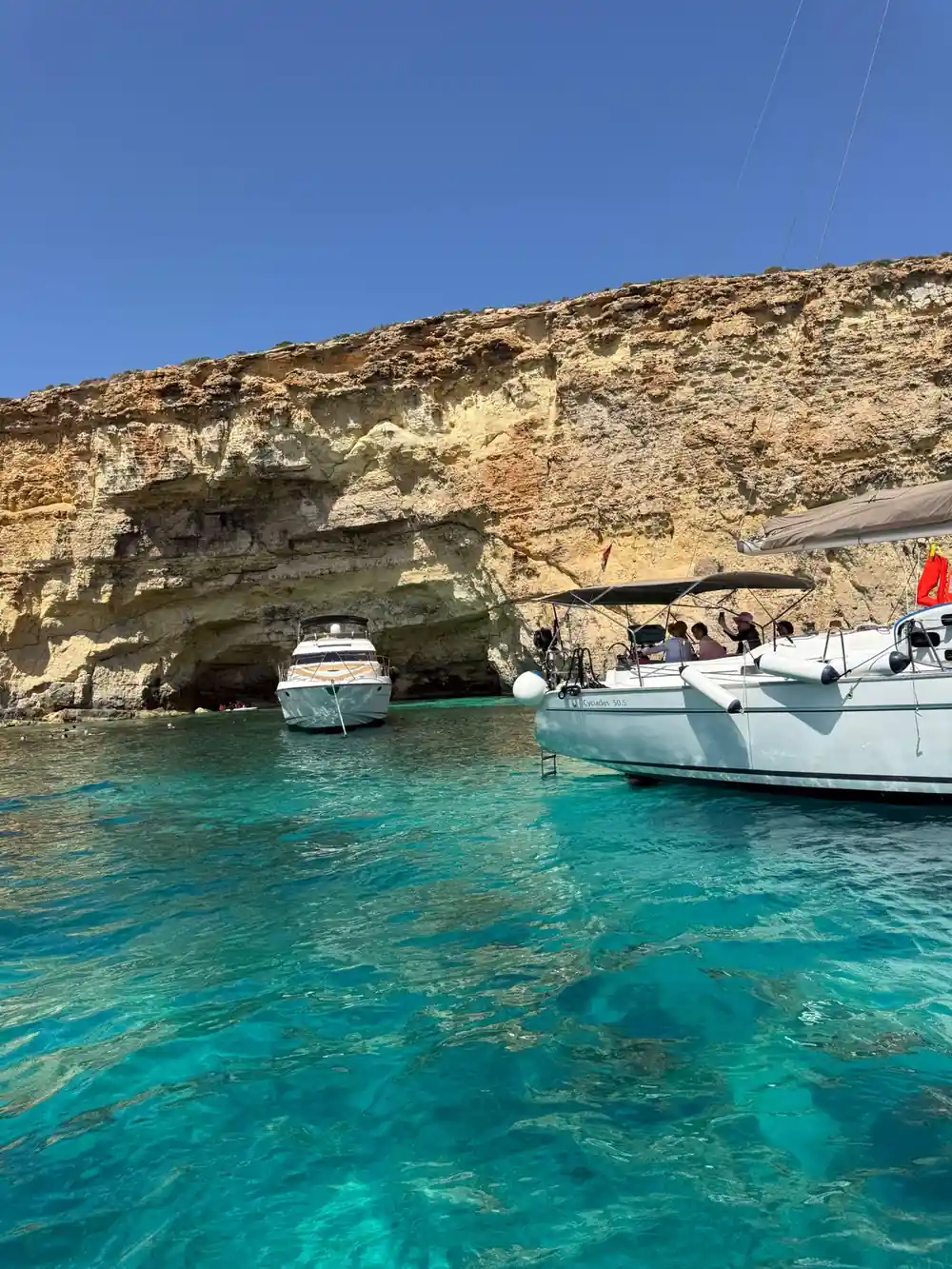
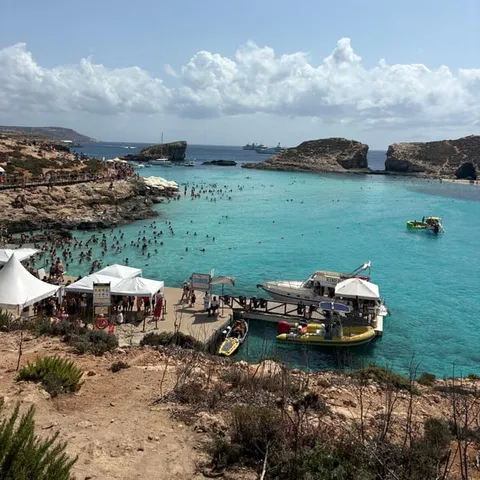
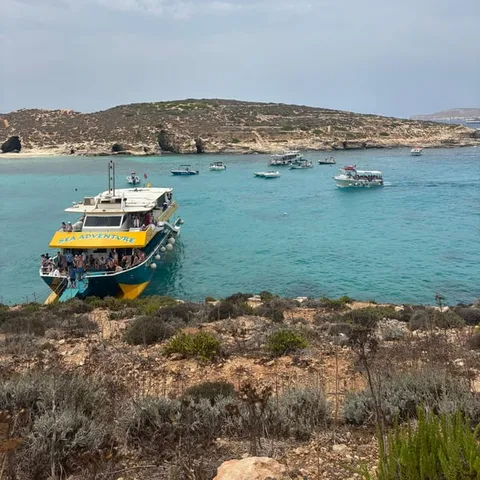
It has to be said plainly: the Blue Lagoon is one of the most crowded places in the Mediterranean in high summer. Scheduled boats arrive through the late morning, the channel fills with anchored craft and swimmers, and the shoreline is shoulder to shoulder by midday.
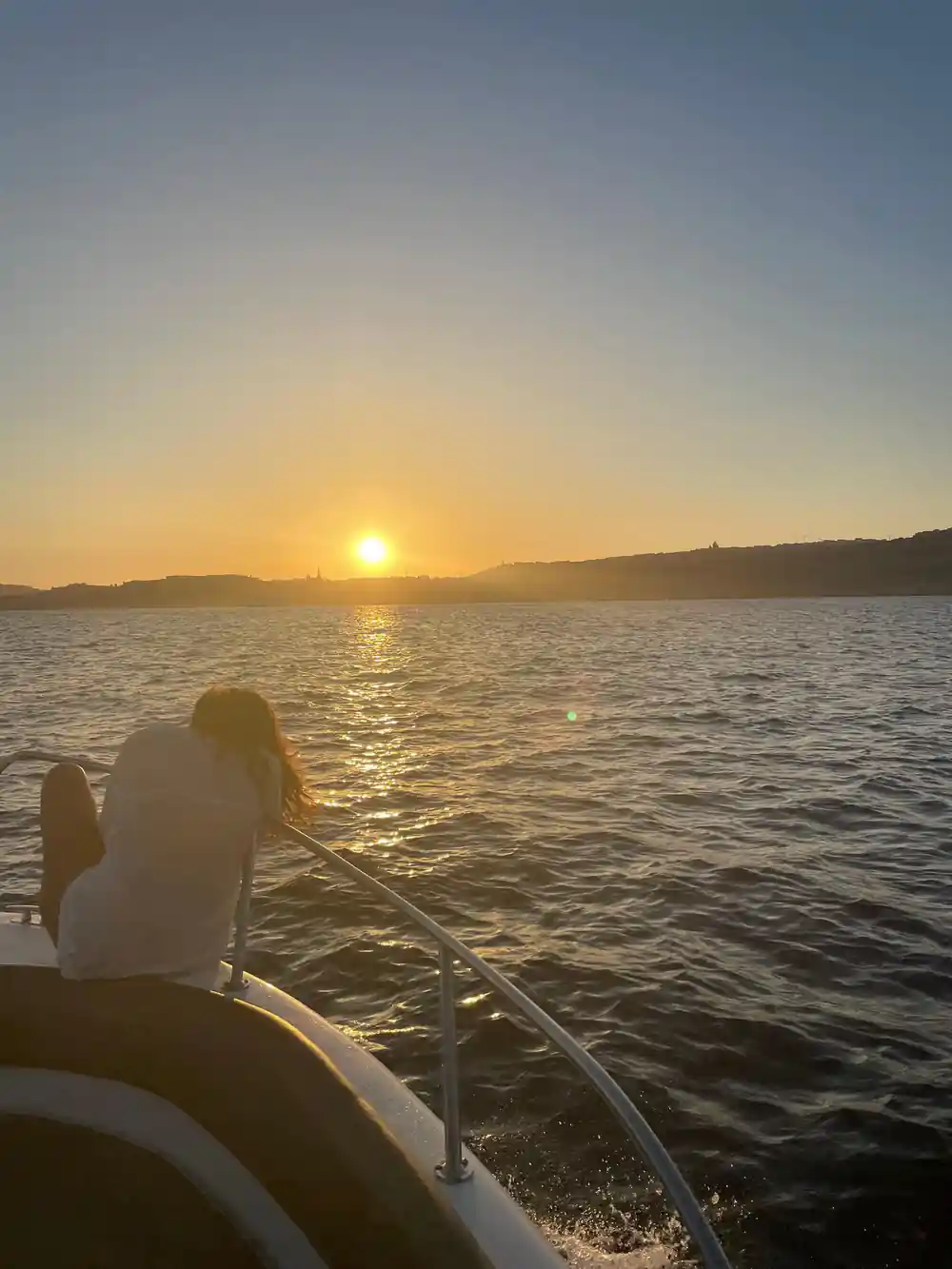
None of that is a reason not to go. It is a reason not to go at noon. The bay empties in both directions: before the first scheduled boats and after the last ones leave, the same water is quiet enough that travellers describe having it to themselves.
A private charter is the mechanism for exploiting that, because it is the only kind of boat that can leave at eight in the morning because you asked it to. Travellers who take an early slot say the same thing in different words, over and over: they had the lagoon almost to themselves.
The caves, and the rest of Comino
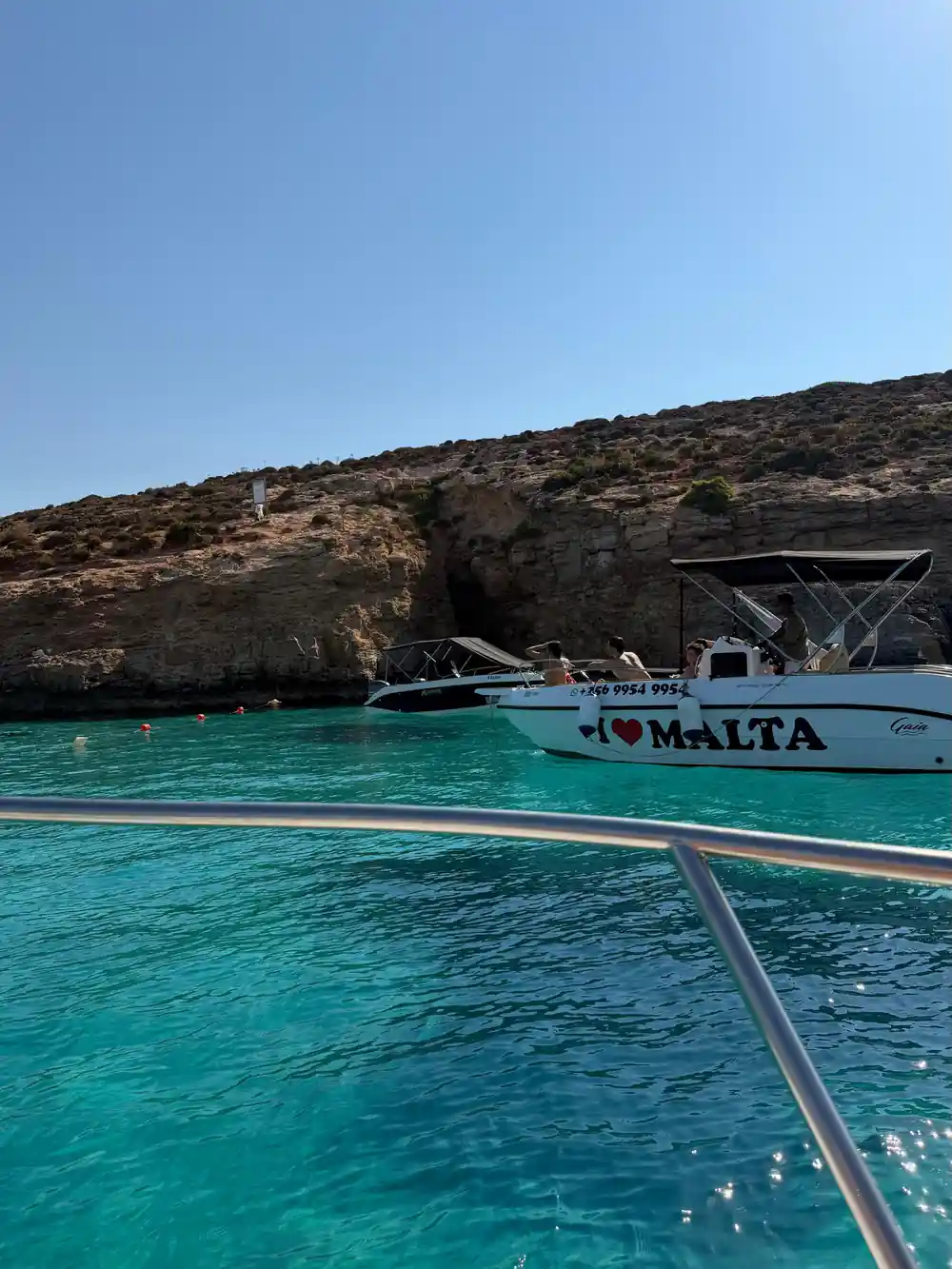
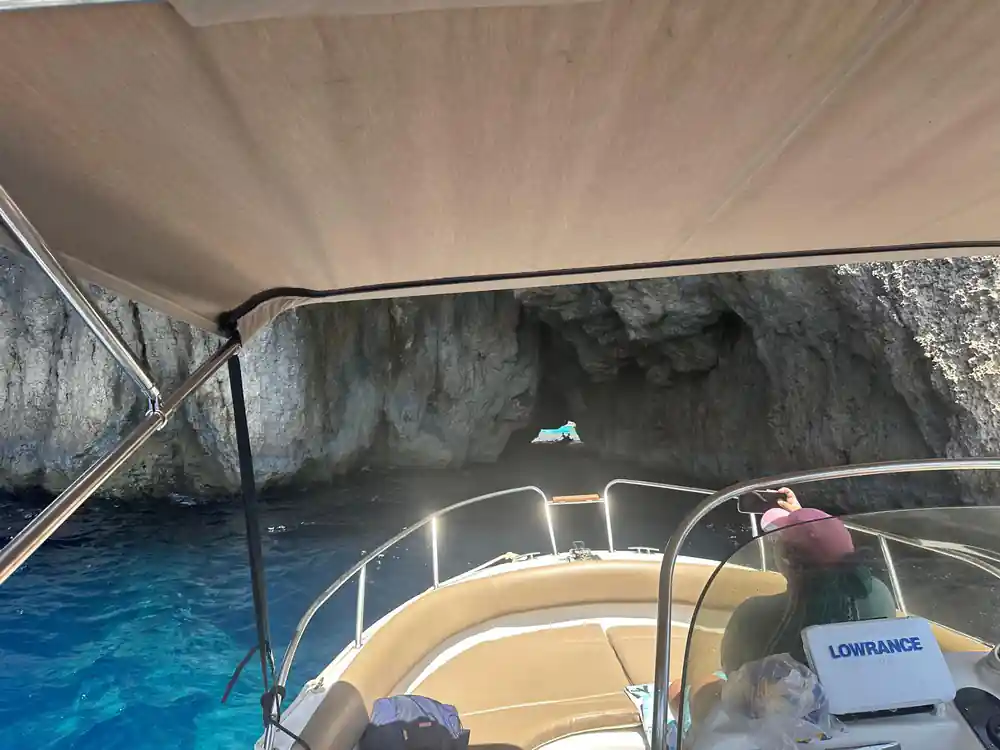
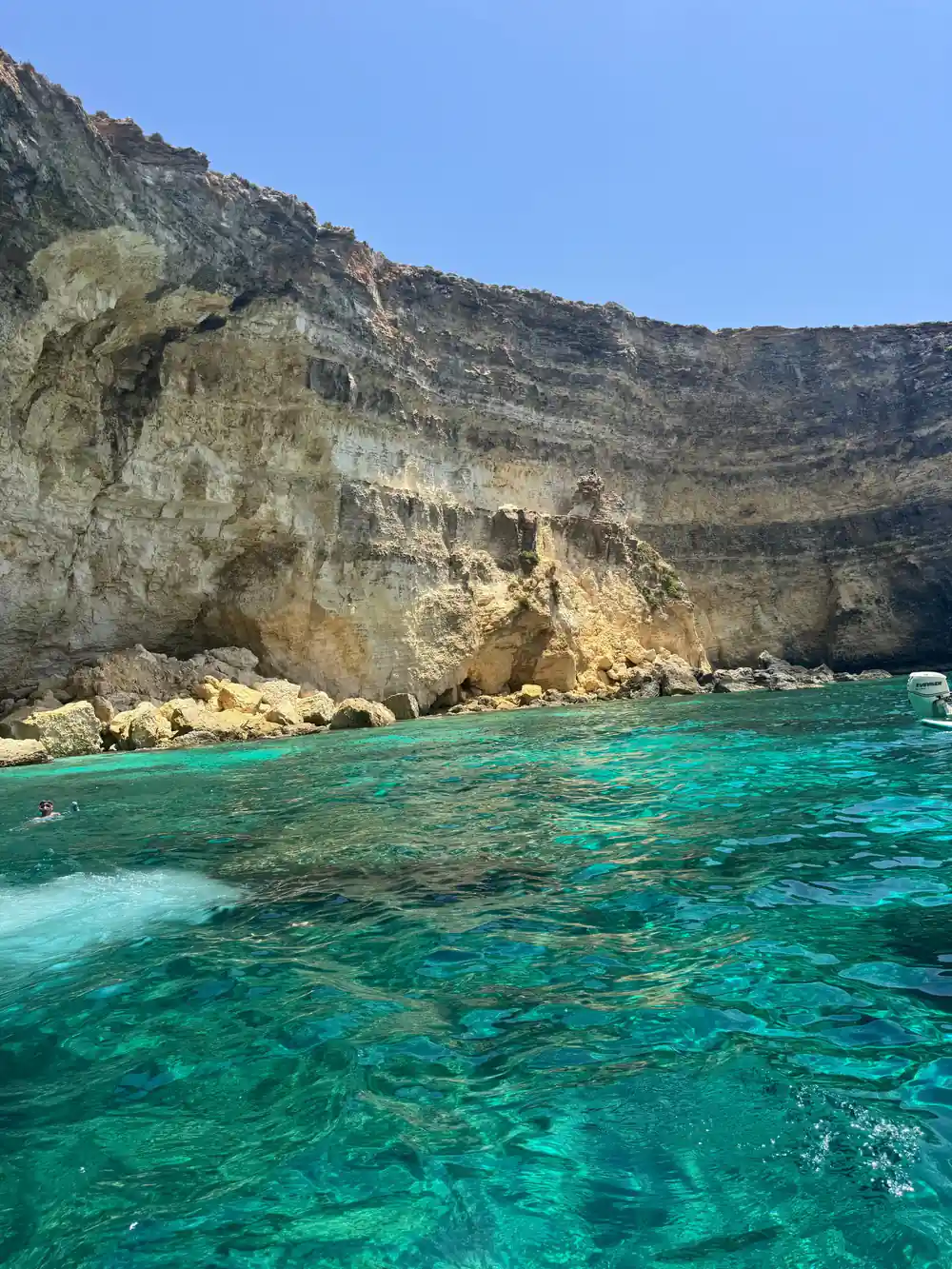
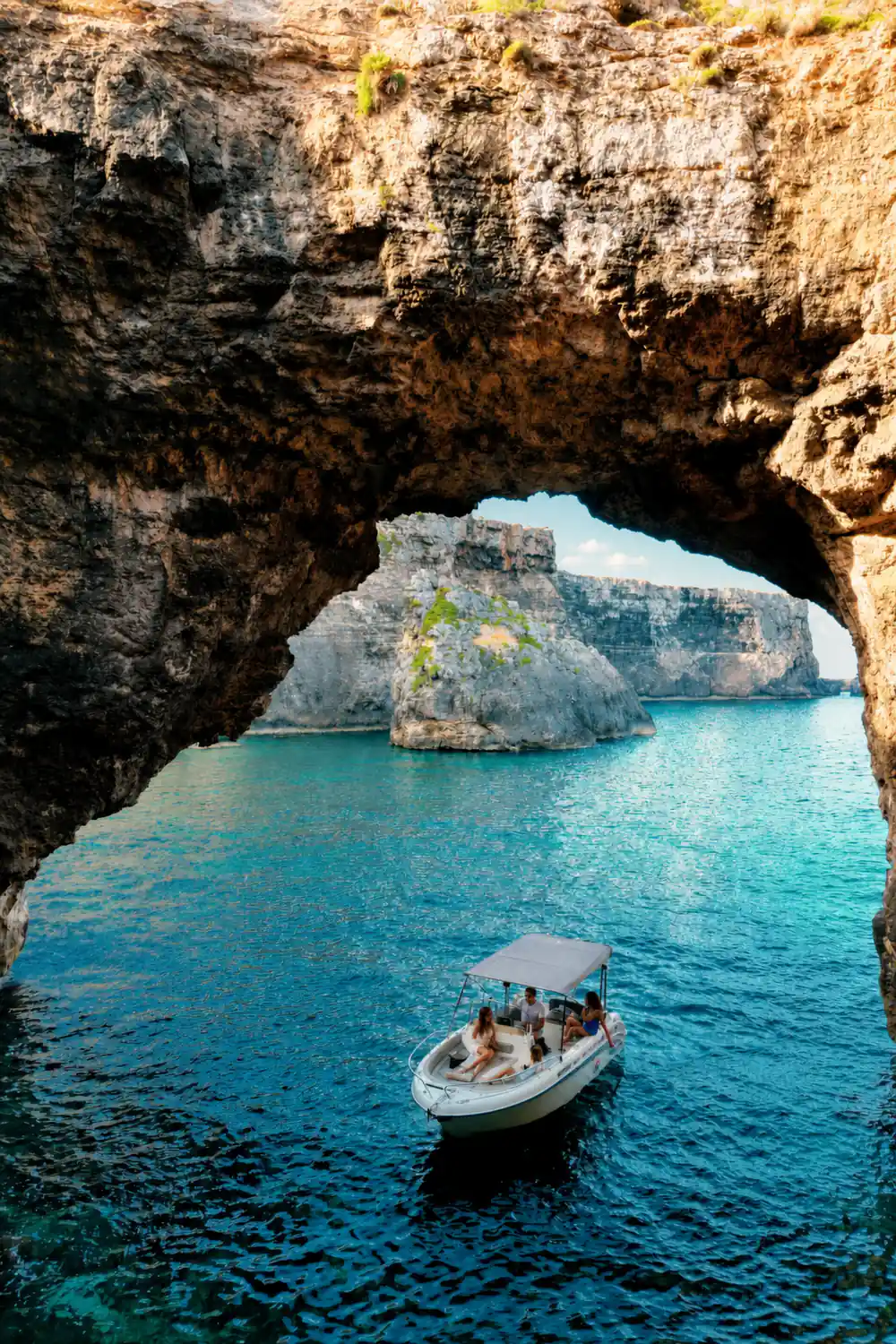
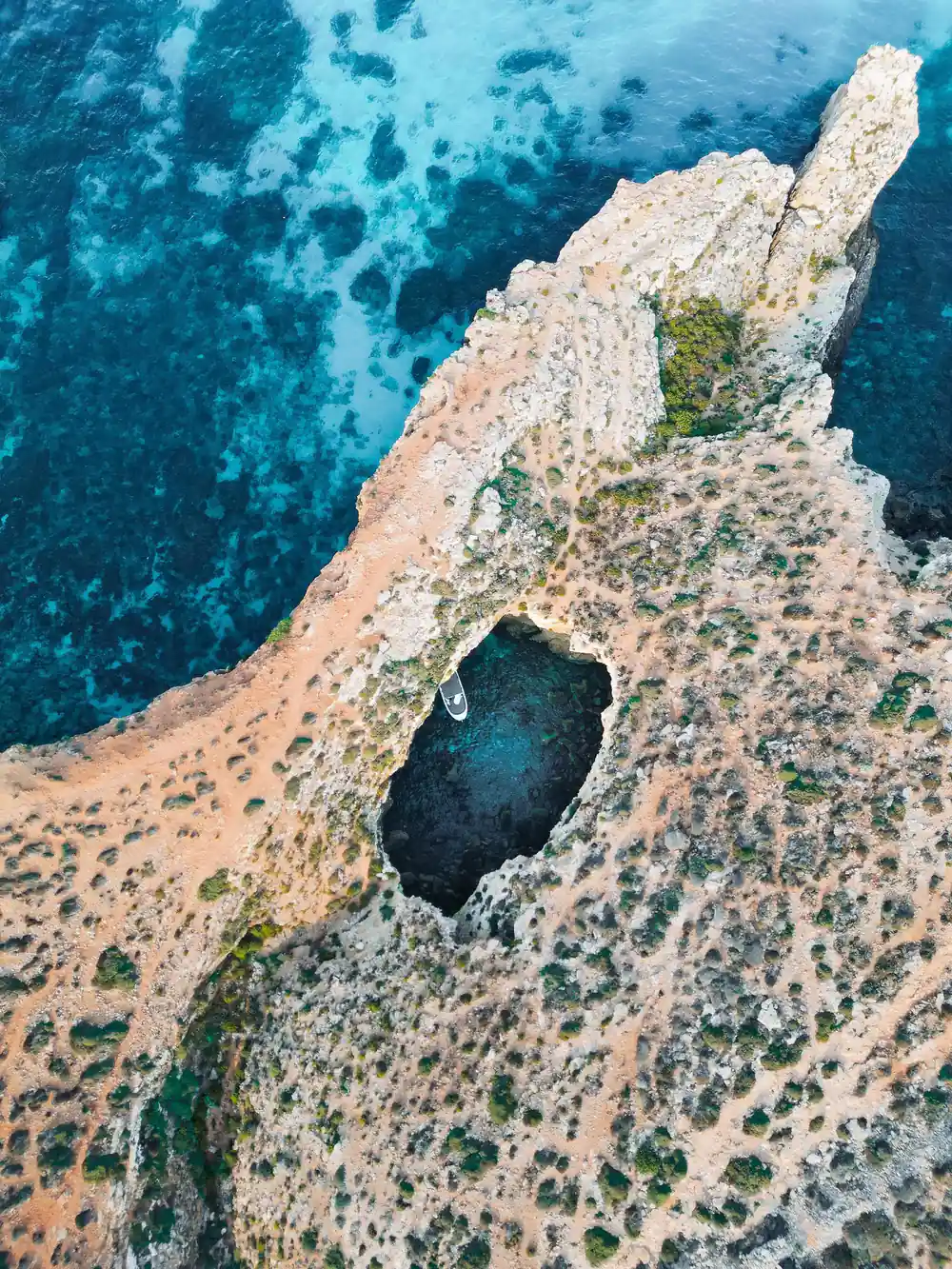
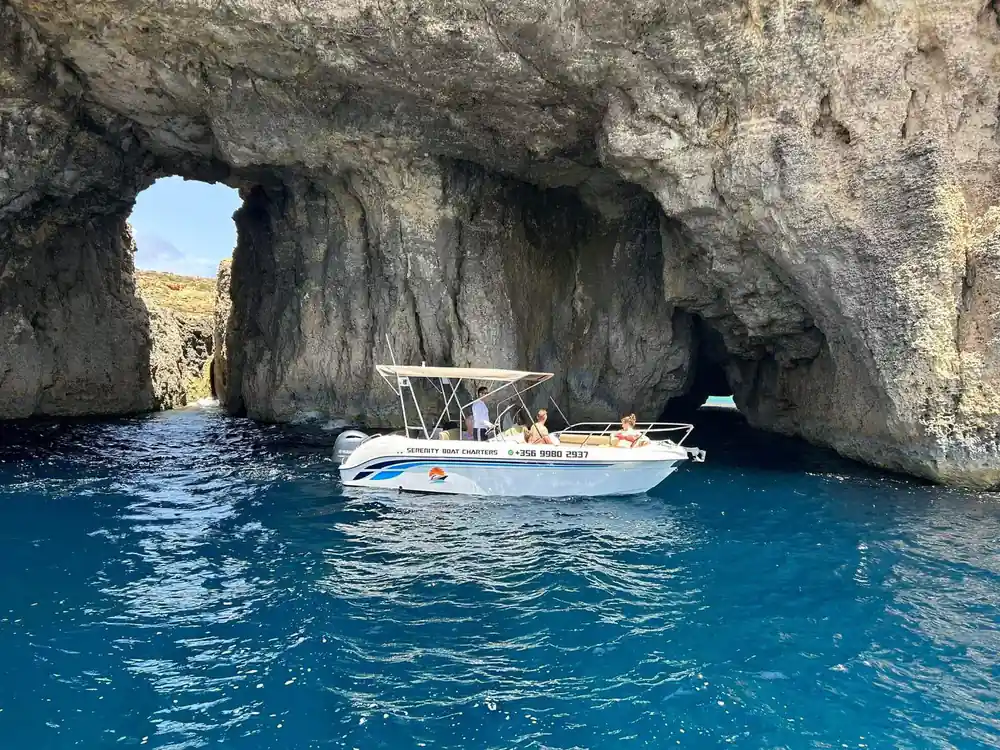
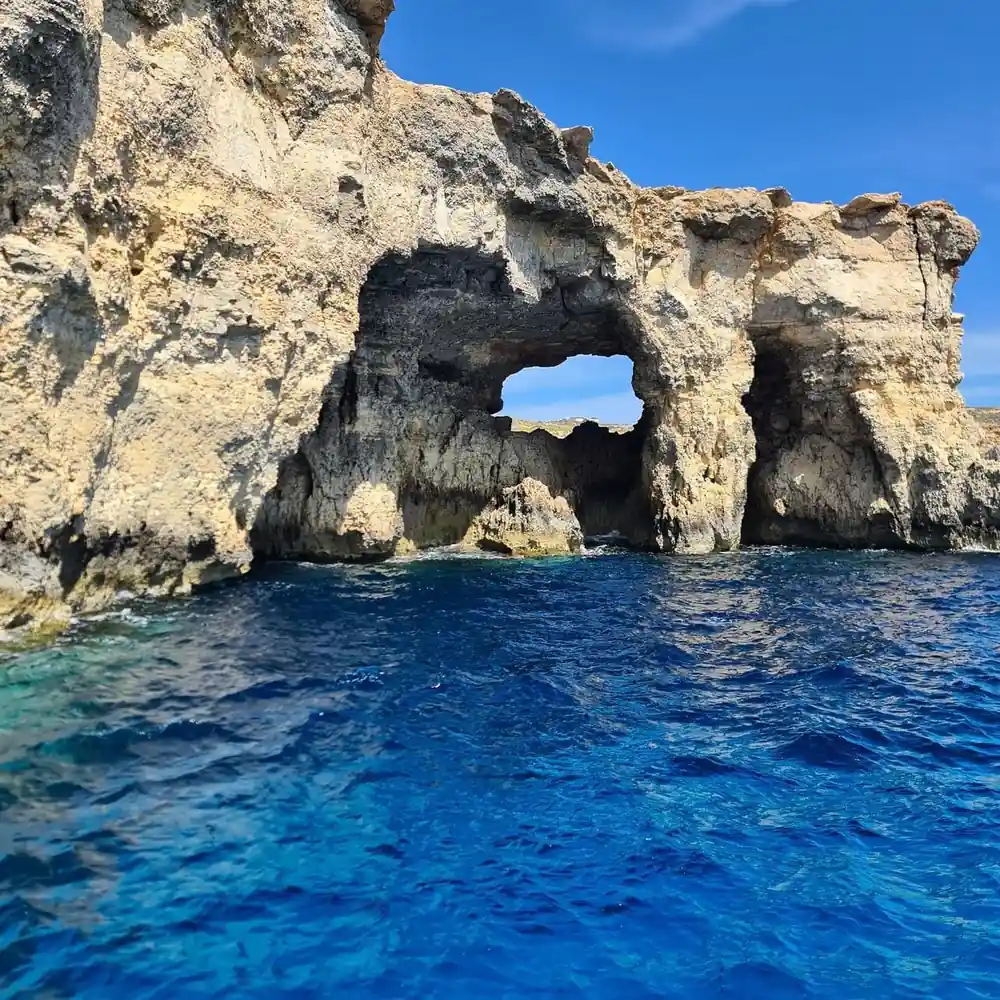
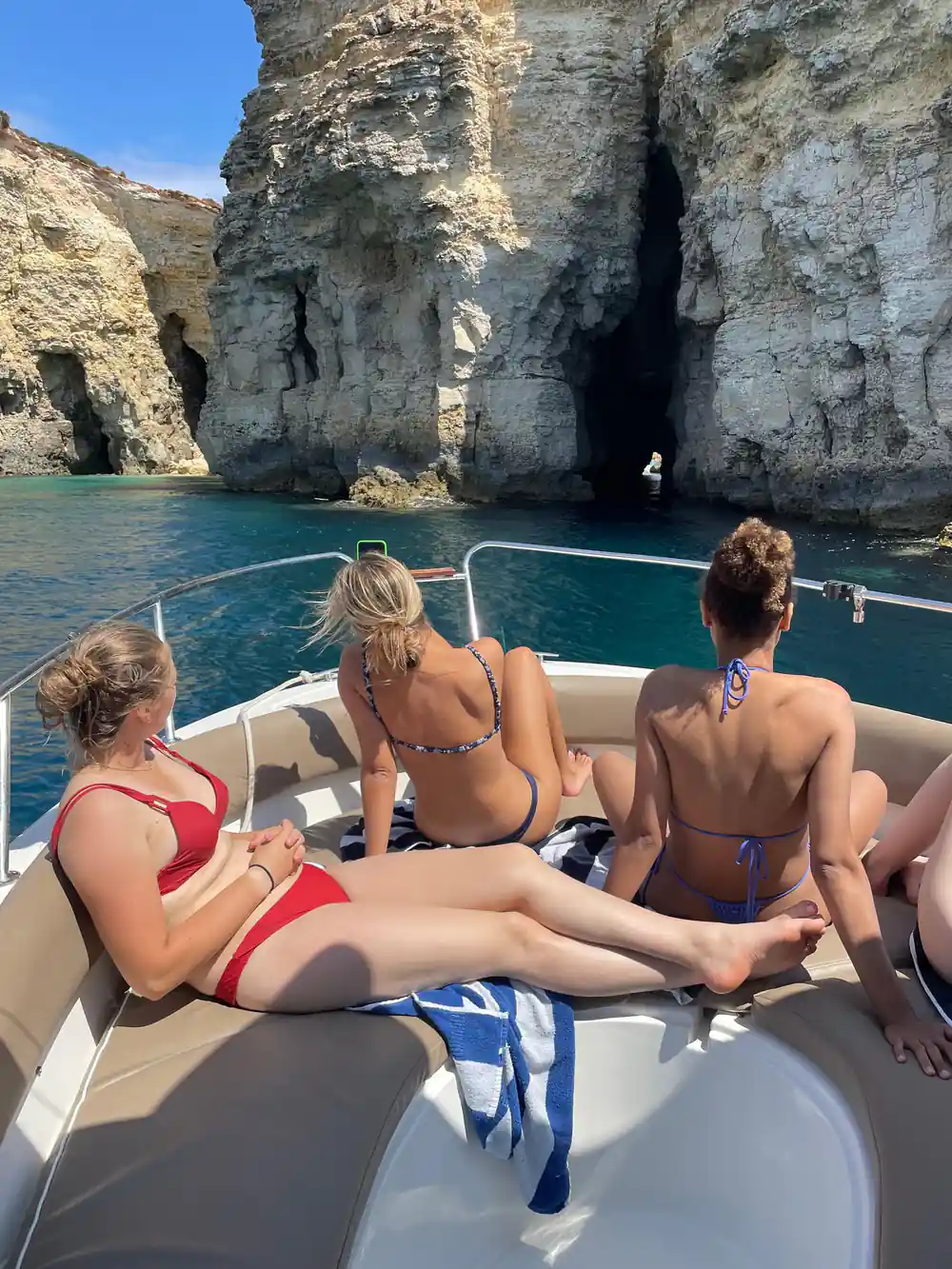
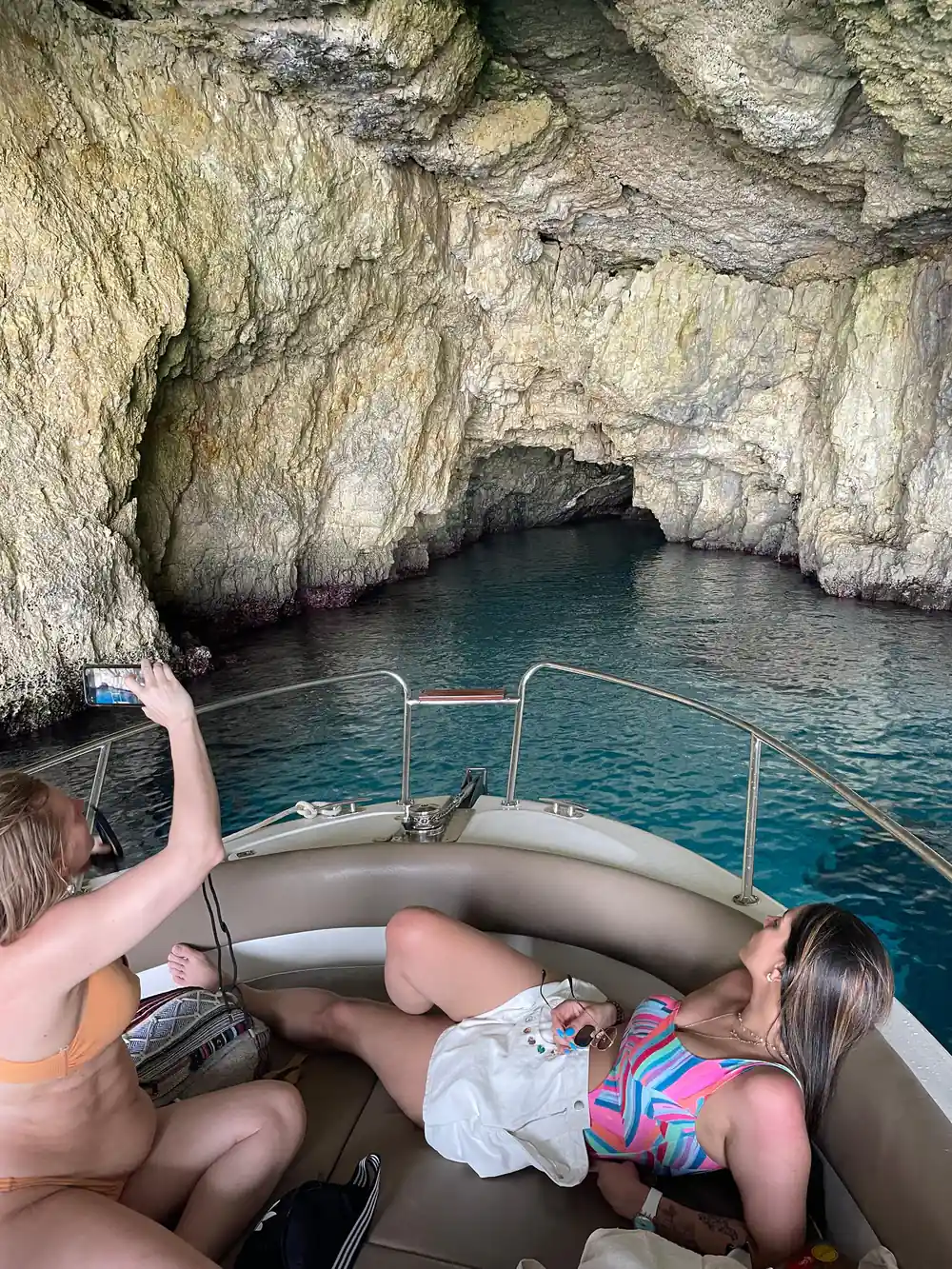
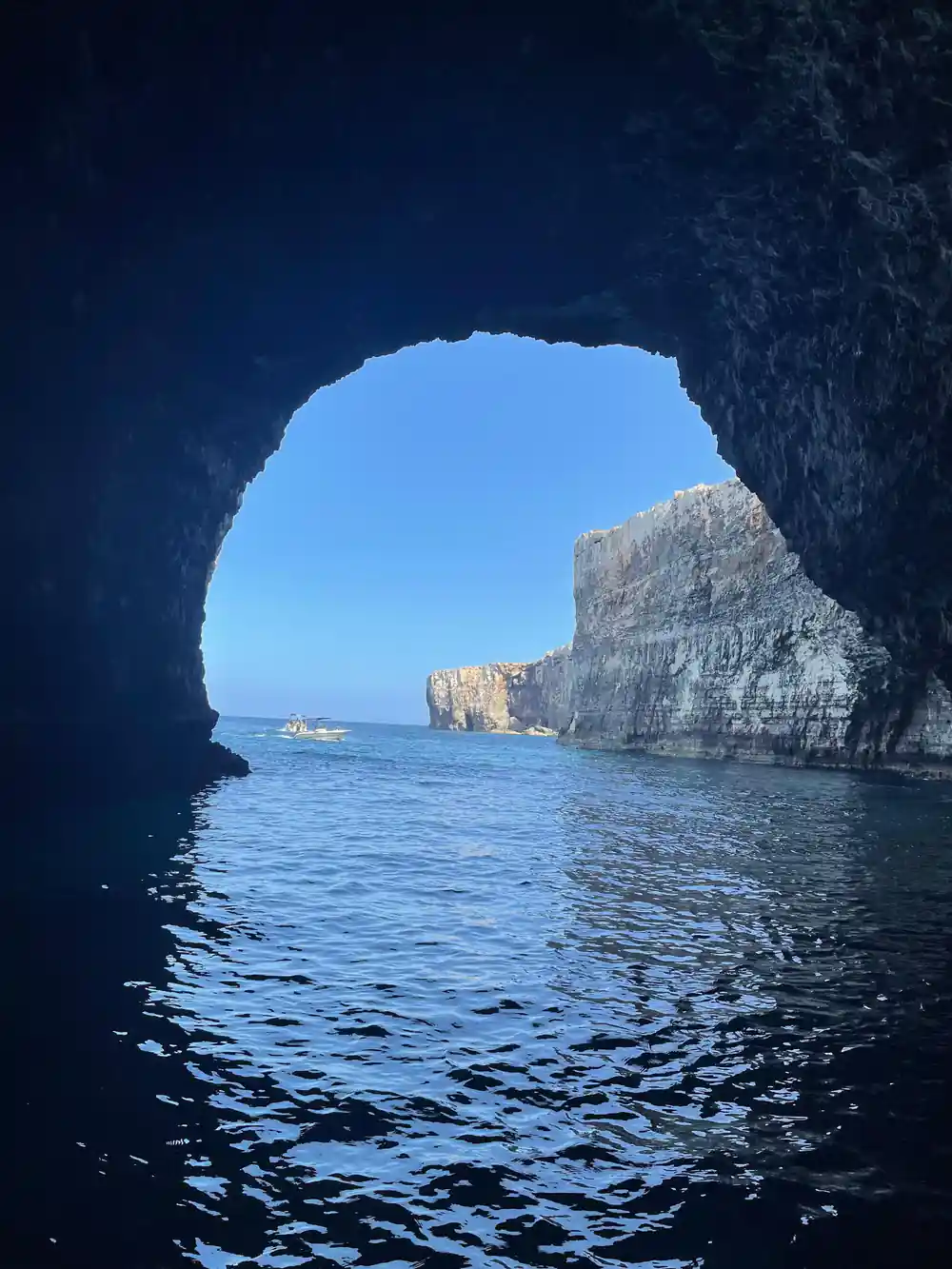
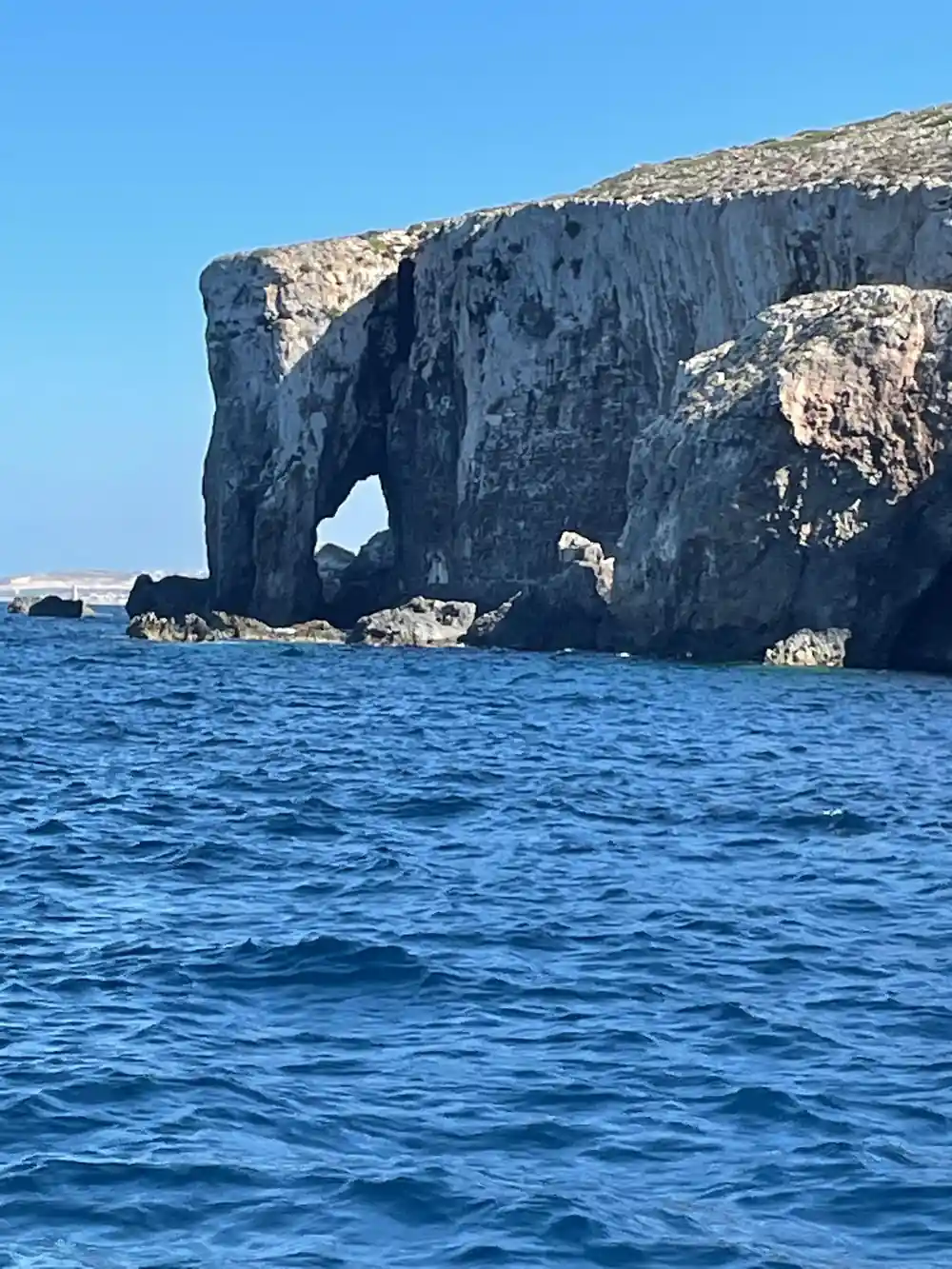
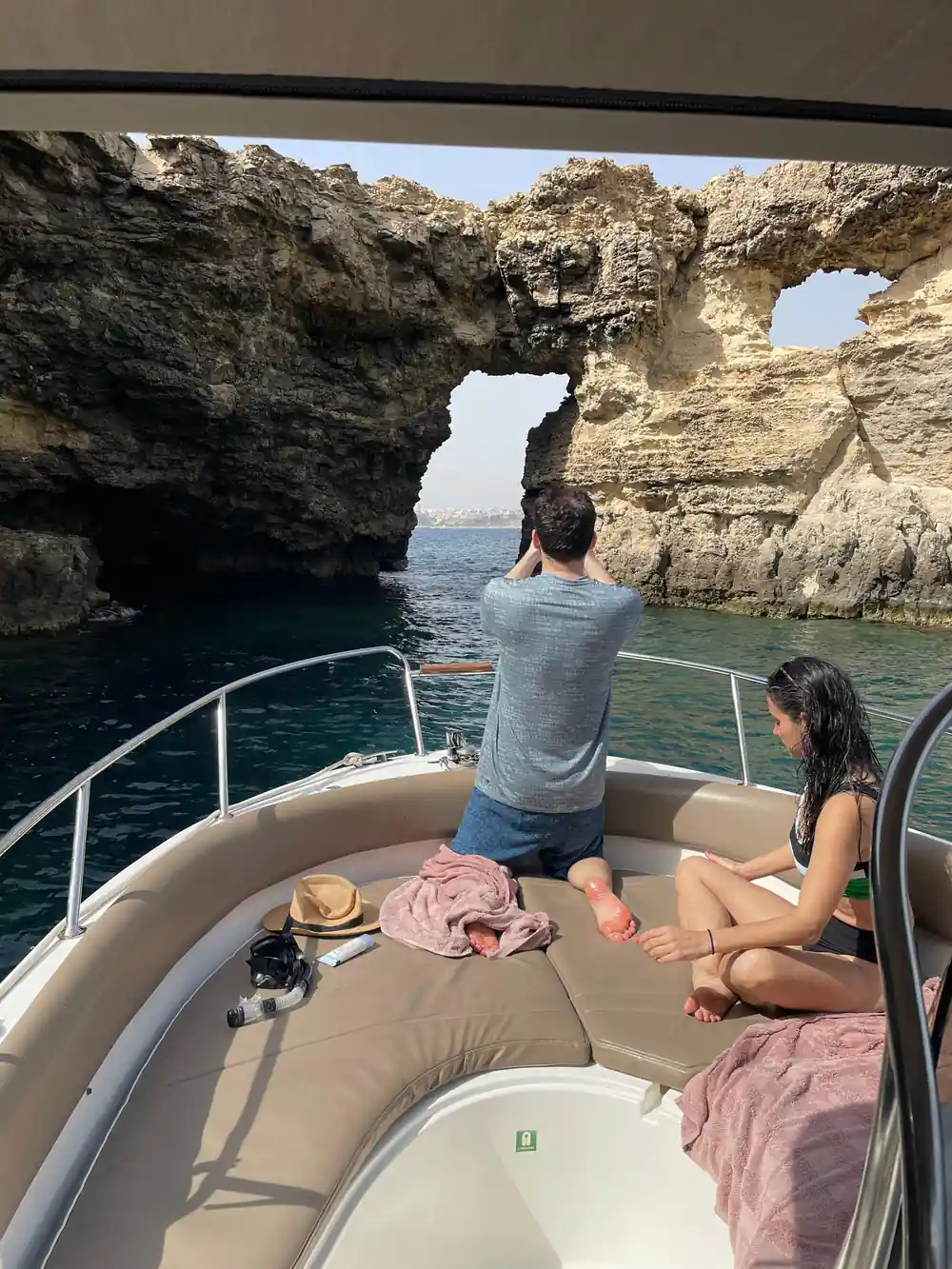
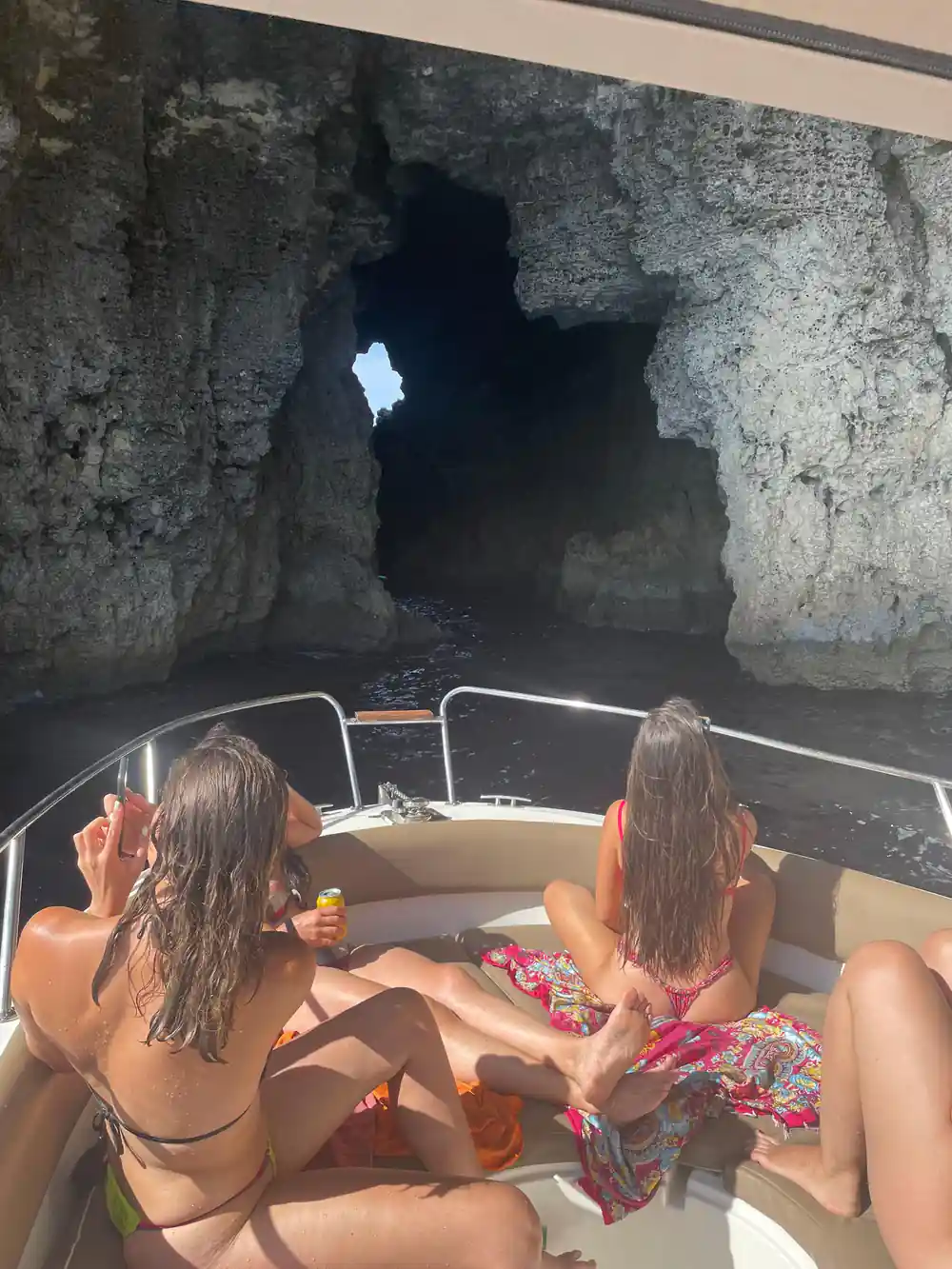
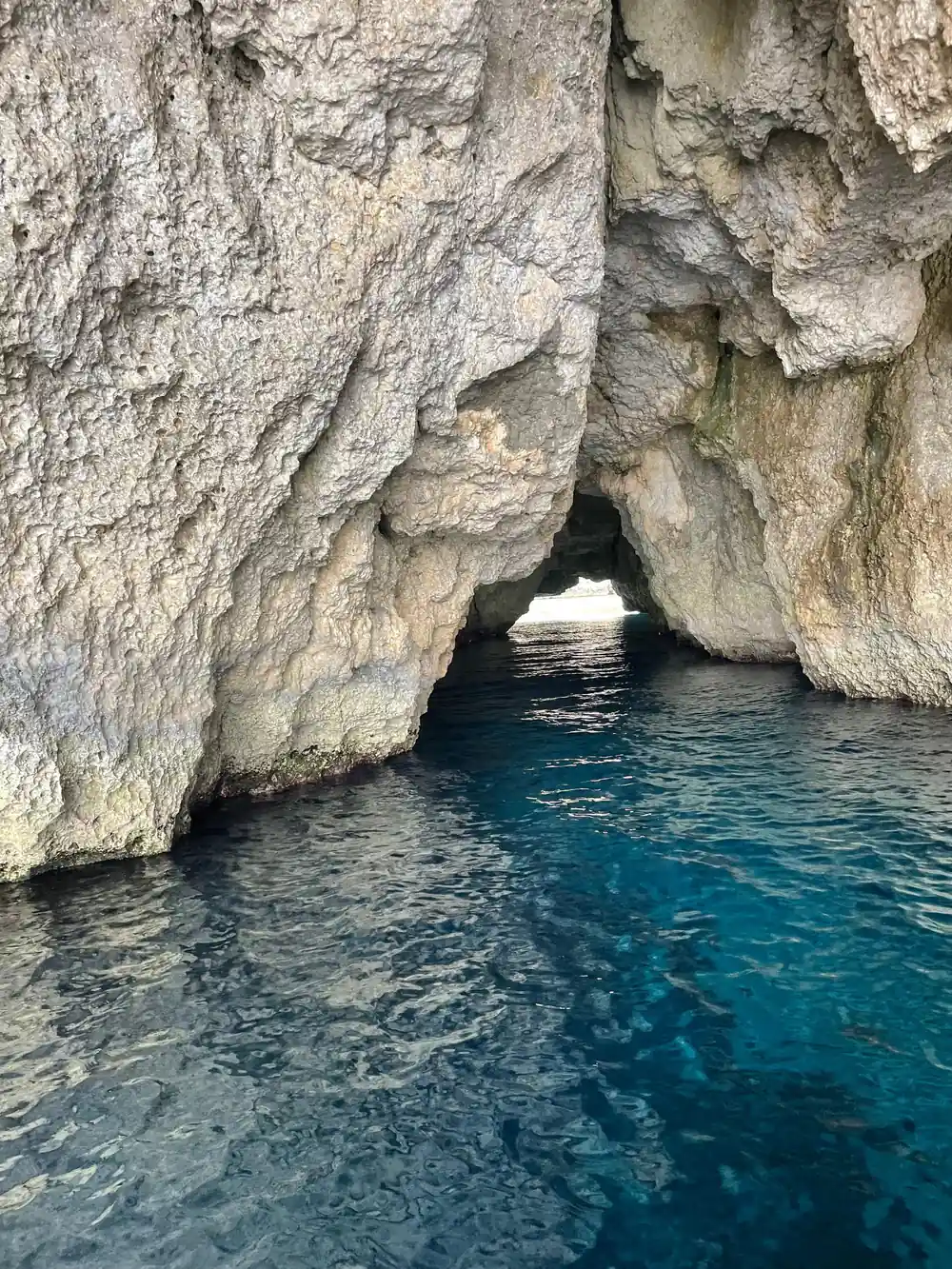
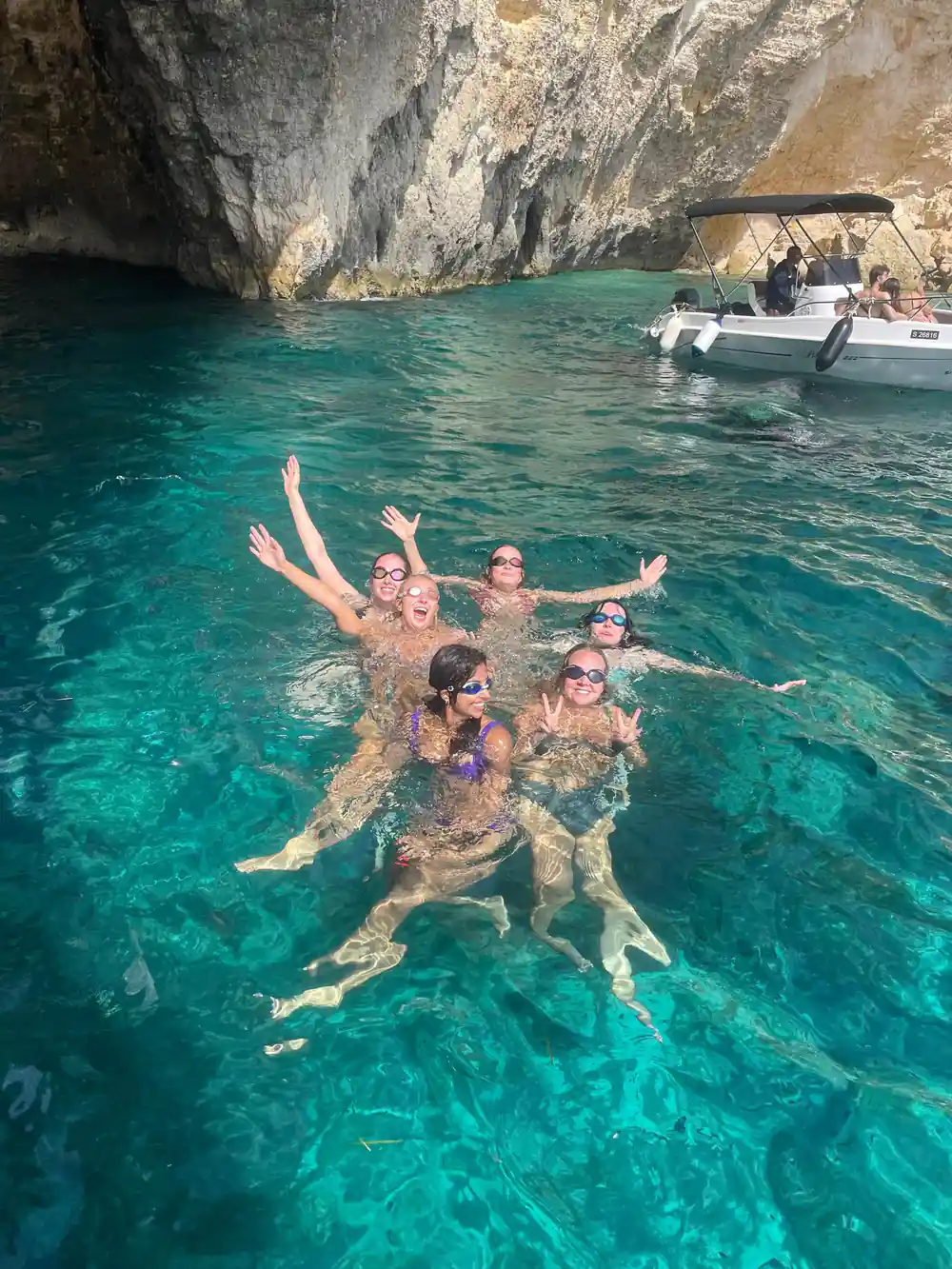
The cliffs along the south and west of Comino are hollowed out along their whole length. Some of the openings are big enough to take a small boat inside, and the light in them, coming up off pale rock through clear water, is the thing people remember afterwards more than the famous bay.
Scheduled boats do not do this. They run to the lagoon, they moor, and they run back, because that is what a timetable and two hundred passengers require. A small private boat with a skipper who knows the coast can go looking, and travellers consistently describe the caves as the part they would not have found alone.
The Crystal Lagoon on the other side of the island is the same story. It is deeper and darker than the Blue Lagoon, ringed with cliffs, and usually almost empty because the ferries have no reason to go there.
What is aboard and what is not
Aboard: the skipper, snorkelling gear, floats, an ice box with ice and drinking water, life jackets, a fresh water shower for rinsing salt off, and a sound system you can connect a phone to. Parking at the departure point is free.
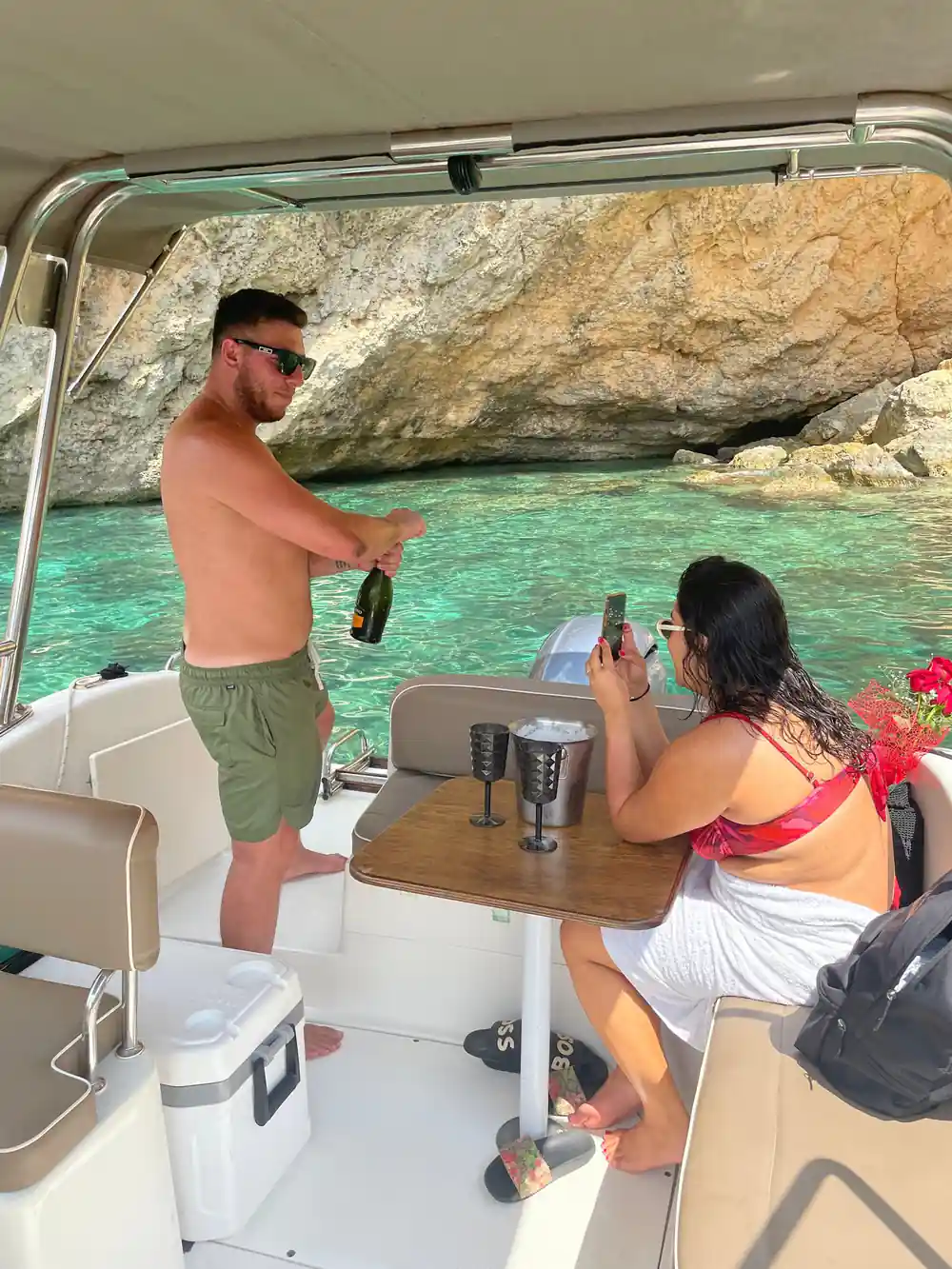
Not aboard: food and drink. This is the single most important line on the page, because it is the one people miss. There is no galley, no bar and no shop, and the trip is built on the assumption that you bring a cool bag with whatever you want in it. Travellers who plan for that eat well on the water; travellers who do not spend four hours wishing they had.
Bring cash as well. The fuel contribution is settled with the skipper directly on the day, which is normal for a charter and surprising if nobody has told you.
Who it suits
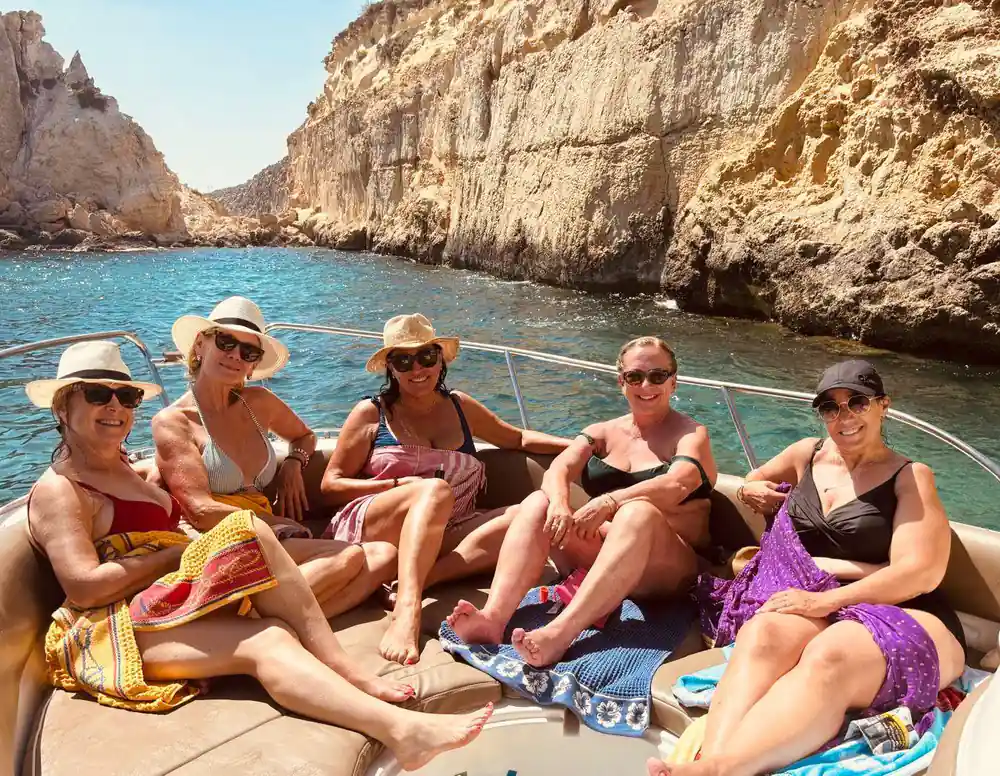
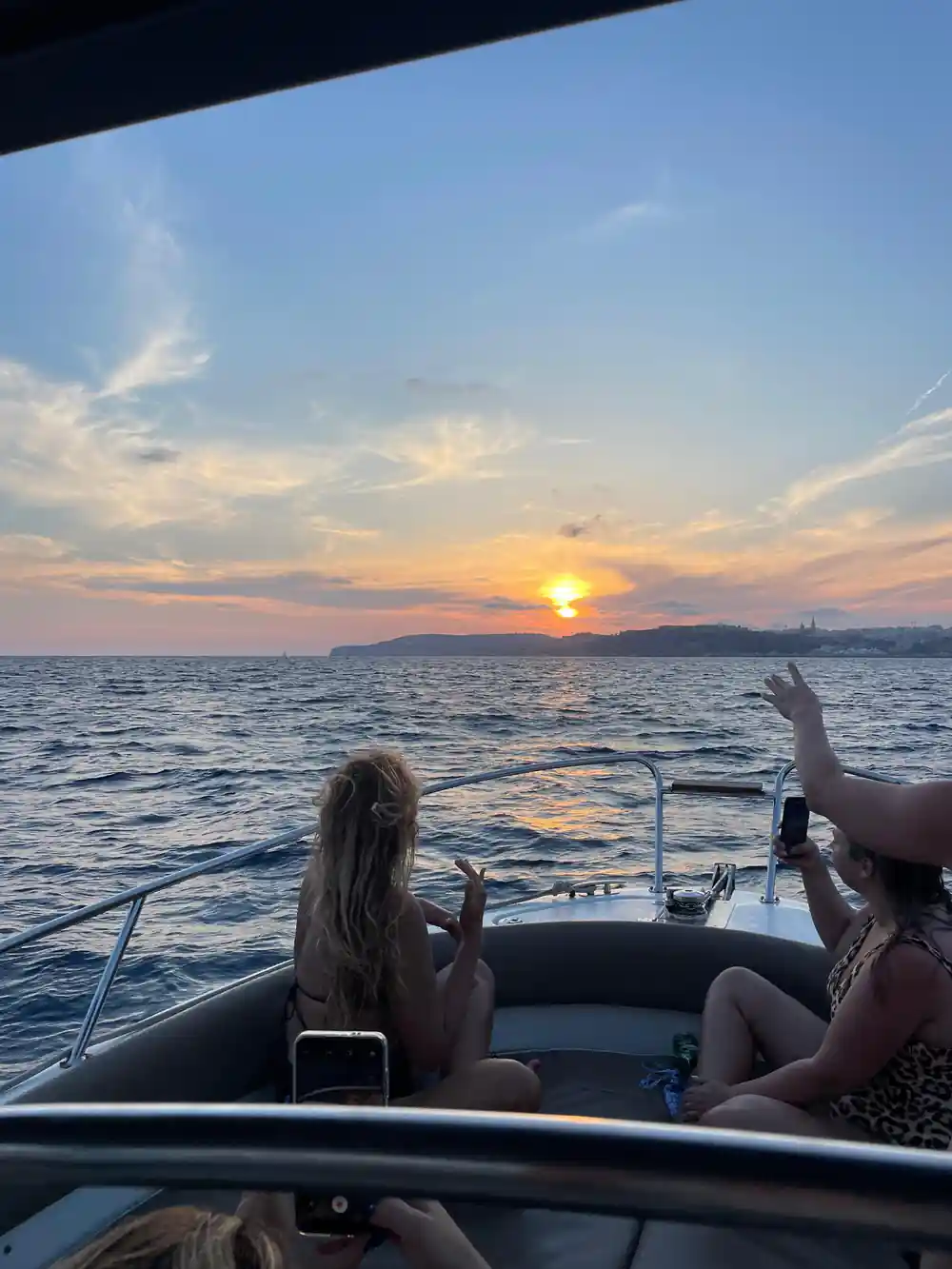
It suits groups: families, a handful of friends, two people who want a boat rather than a bench. Because the boat is yours, the number of you is what decides how it feels rather than who else happened to book.
It suits anyone who has seen photographs of the Blue Lagoon and then read about the crowds and hesitated. The solution to that problem is exactly this, and it is not a compromise version of the day.
It suits people who like some say in what happens. If you would rather be told the itinerary and follow it, a scheduled trip is simpler and there is no shame in it. If you would rather ask to stay another twenty minutes at the cave you liked, this is the one.
Practical shape of the day
The season runs from spring into late autumn. The sea here is warmest in August and September, well after the air has peaked, and the shoulder months either side of high summer combine warm water with a fraction of the boats.
Wind decides the rest. The lagoon faces north west and a strong blow makes it uncomfortable, so a small boat's day is shaped by conditions in a way a large ferry's is not. Book with a spare day in the itinerary if you can, and take an early slot when you have the choice.