The essentials
- A thin windproof jacket or a big wrap is the item most people leave at home and miss most on the fast, breezy ride back from the lagoon.
- Malta gets almost 3000 hours of sunshine a year,[1] so a hat, high-factor sunscreen and sunglasses on a strap earn their place in the bag.
- Swimwear, a quick-dry towel, water shoes for rocky entries and your own mask if you plan to snorkel over the shallows.
- One dry bag keeps towels, phone and spare clothes dry through the swim stops, and it floats if it goes over the side.
- Hard suitcases, jewellery, passports and bulky camera gear are better kept on land. Travel with one soft bag you can carry yourself.
- Top choice Private boat, this site from US$195 Duration2 - 4 hours[2]Rated4.98 from 117 reviews[2]GuideLive tour guide, English[2]FlexibilityFree cancellation up to 24 hours[2] Check availability
- Gozo & Comino islands tour from US$35 Duration7 hours[3]Rated4.45 from 20,111 reviews[3]GuideAudio guide in English, French, German, Italian, Polish[3]FlexibilityFree cancellation up to 24 hours[3] See this tour
- Catamaran beaches & bays from US$63 Duration5 - 6 hours[4]Rated4.68 from 6,838 reviews[4]GuideHost or greeter, English[4]FlexibilityFree cancellation up to 24 hours[4] See this tour
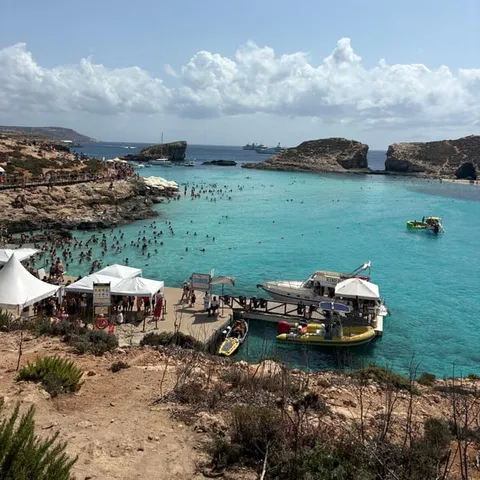
Malta is the sunniest country in Europe, basking under almost 3000 hours a year of sunshine.
What to bring to the Blue Lagoon on a private boat
Before you leave the hotel
- Confirm your meeting point and start time the day before you travel
- Keep your booking confirmation on your phone and save a screenshot in case signal drops
- Carry a small amount of cash in a zipped pocket for drinks or a snack on the islands
- Check the wind as well as the temperature the night before and pack the layer you will really need
In the day bag
- High-factor sunscreen, a hat that stays on and sunglasses on a strap
- A thin windproof layer for the ride back, plus a spare long-sleeved top for wet shoulders
- A dry bag for phone, towel and spare clothes, and a waterproof pouch you can wear
- One soft bag per person, packed so you can find what you need without unpacking everything
The layer everyone leaves behind
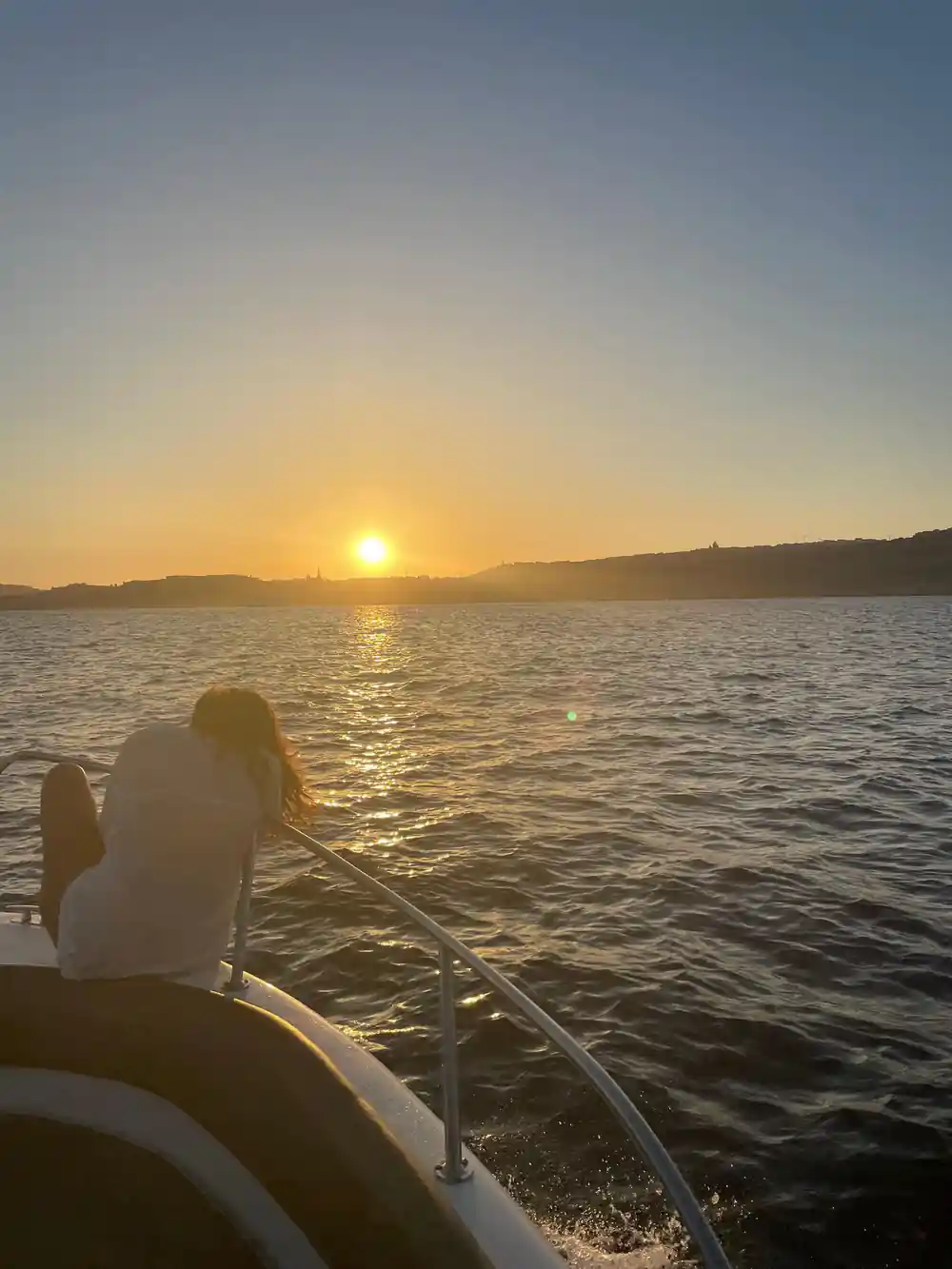
Most people plan this day around swimming, and the packing list shows it: towel, swimwear, sunscreen, done. The gap in almost every bag is something warm and windproof. On the water you are moving, the breeze is constant even when the air on shore feels still, and wet shoulders lose heat quickly. A thin packable jacket, a long-sleeved top or a sarong big enough to wrap around you turns the ride home from shivery into pleasant. It folds flat, weighs almost nothing and takes up no space you will miss while packing.
Think about the shape of the day rather than the swim alone. The tour runs 2 to 4 hours, and the listing asks you to check availability to see starting times.[2] Mornings often start calm and still, while afternoons on open water tend to carry more breeze. A layer you can pull on and off matters more than anything bulky, and it should live in a bag you can open one-handed, because when you want it you usually want it straight away, with the boat already moving and your hands still wet from the last swim.
What the booking already covers
The listing for this private boat tour includes a live tour guide who speaks English, a private group, wheelchair access and skip the line through a separate entrance.[2] It is rated 4.98 from 117 reviews, with prices from US$195.[2] You can reserve now and pay later, and cancel up to 24 hours in advance for a full refund.[2] Knowing all of that before you pack tells you what the crew handles on the day and what still has to come out of your own bag.
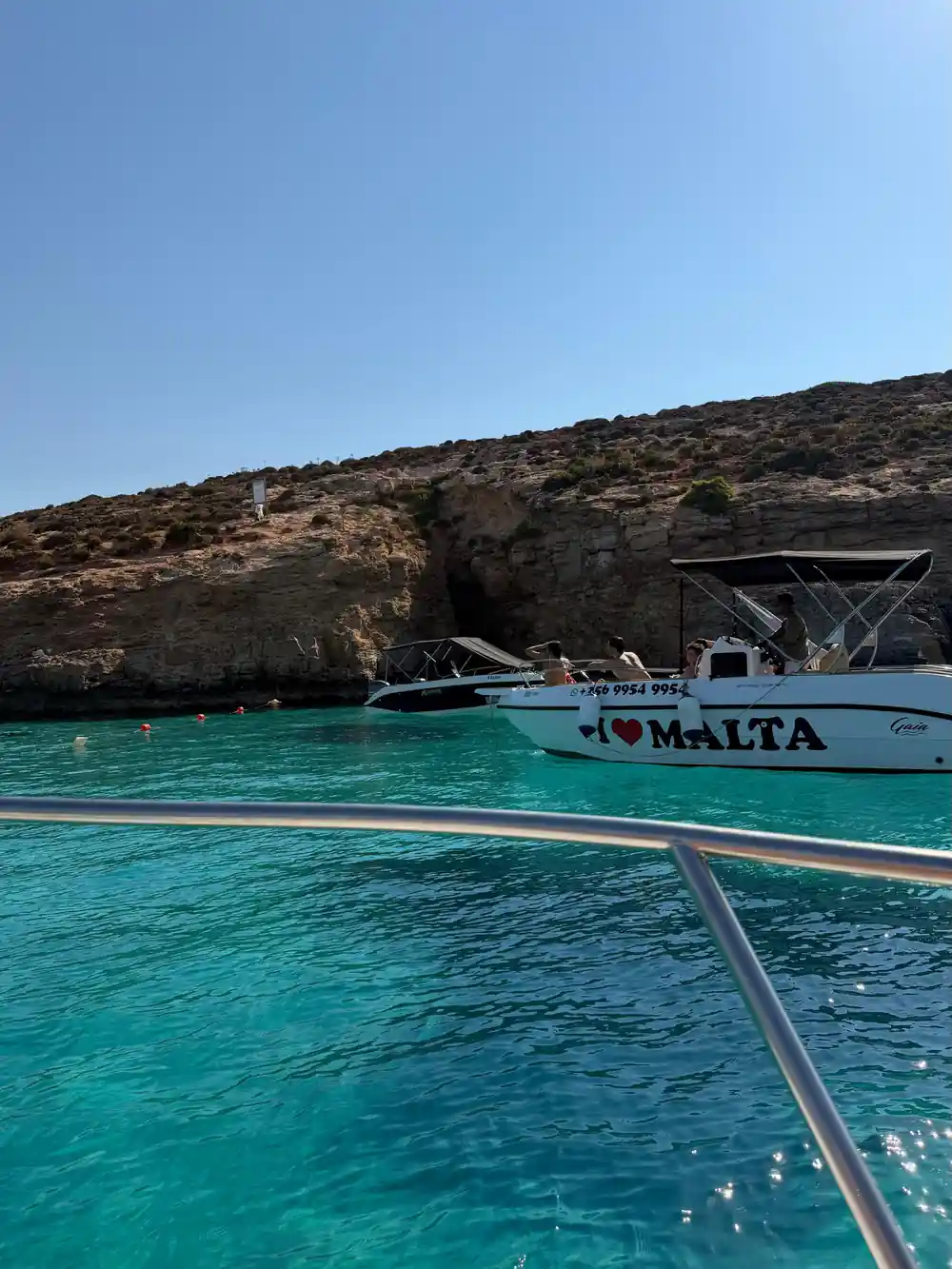
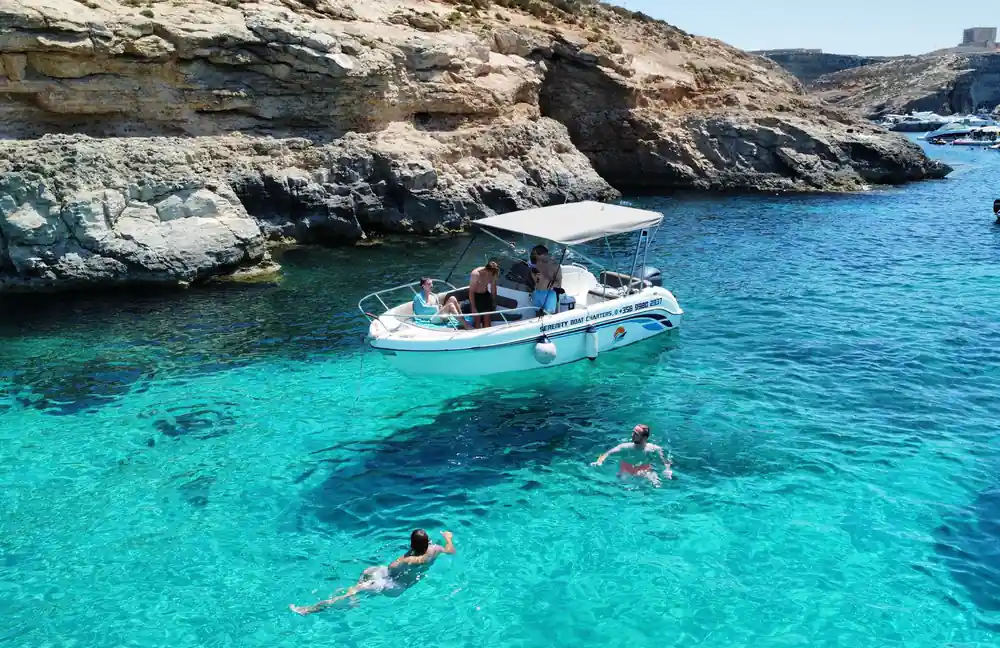
A private group means the boat is yours for the trip, which changes the rhythm of the day. You are not tied to a fixed timetable of strangers, and you can settle into your own corner of the deck with your own bag beside you. Nobody else will carry your sunscreen, your water or your dry bag, though, so treat your bag as your responsibility from the moment you step aboard. If anything is unclear, message the operator before you travel: what happens at the swim stops, where you meet, and whether there is anything specific to bring for the boat on your date.
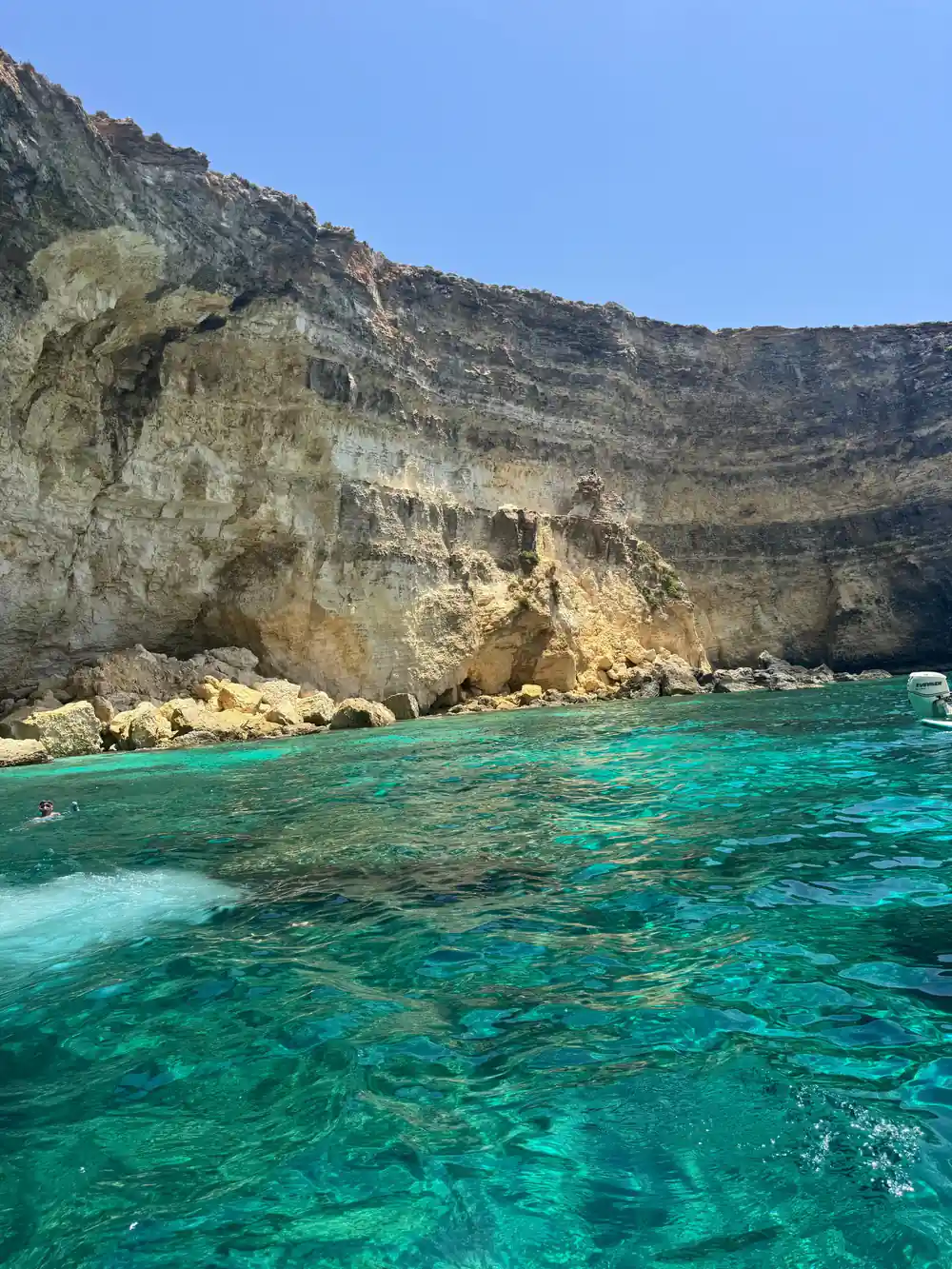
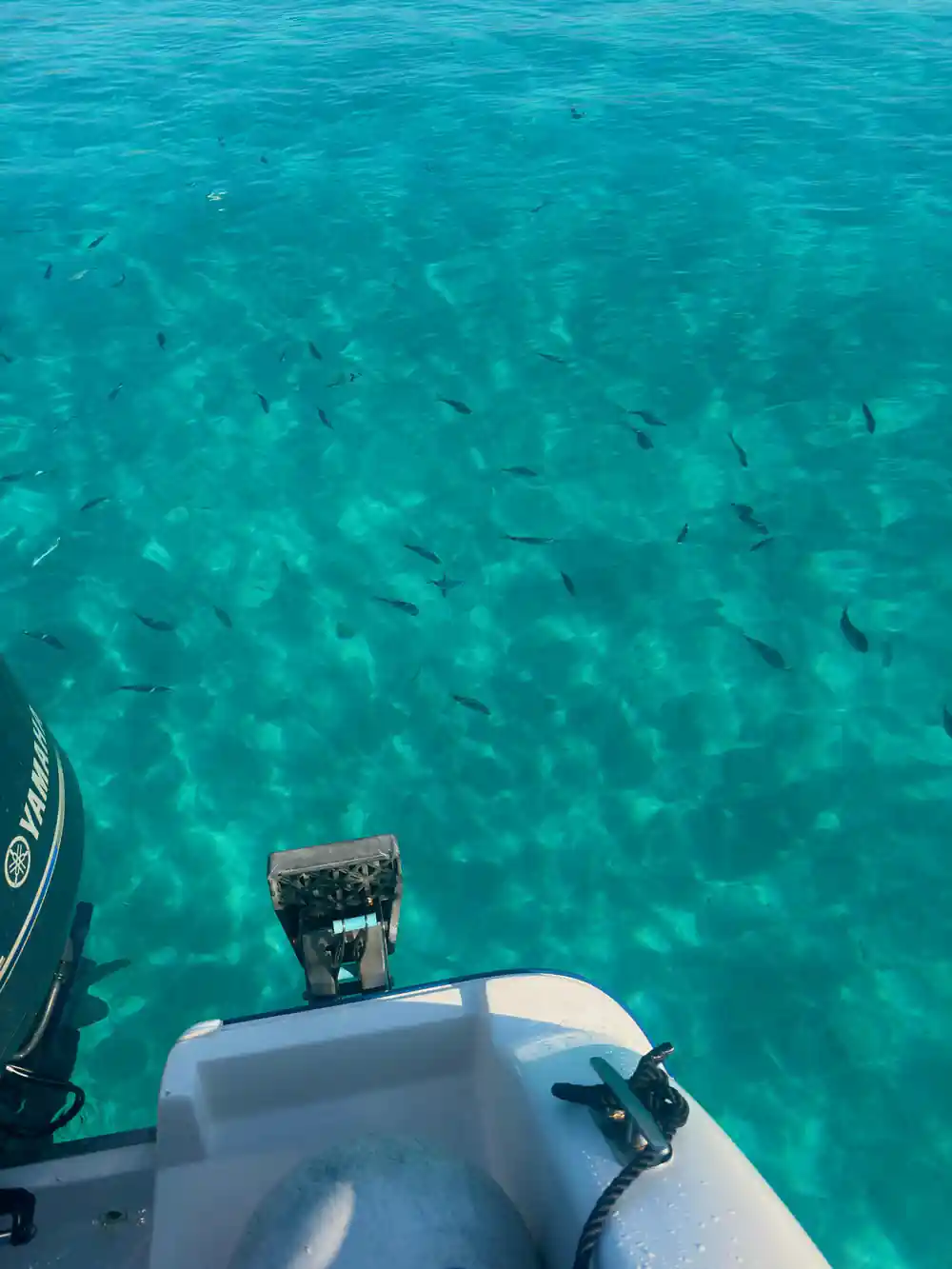
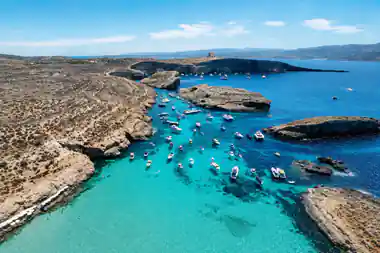
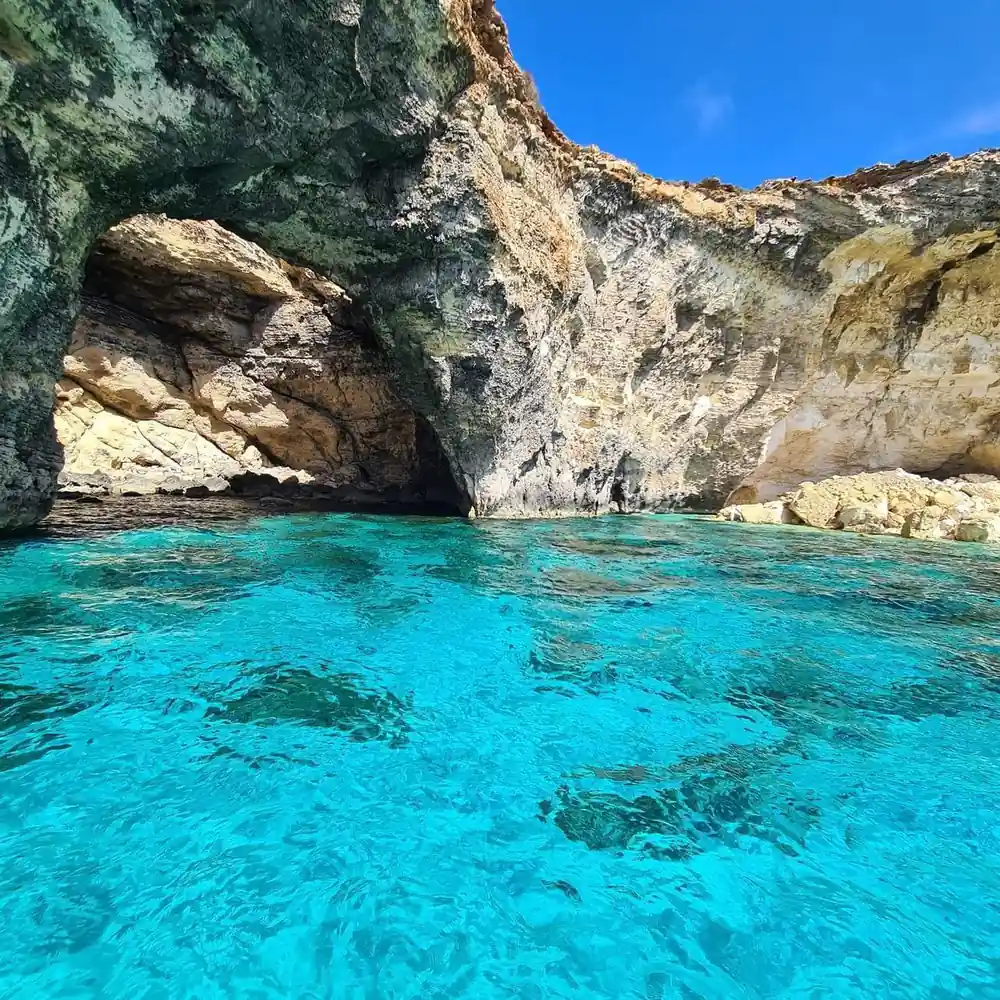
Light bouncing back up through shallow, clear water over white sand gives the Blue Lagoon its colour.
Sun is the real hazard
Malta is the sunniest country in Europe, with almost 3000 hours of sunshine a year.[1] On a boat you meet that light twice, directly from above and bounced back off the water, and the breeze across the deck makes it easy to stay out far longer than you would on a beach. Bring sunscreen with a high factor, a hat that will not lift off in the wind, sunglasses on a strap and a long-sleeved swim top for the middle of the day. Use more cream than feels necessary, and put it on before you leave the quay.
The temperature figures show why the sun catches people out. Daily mean air temperature in Malta ranges from 12.6°C in February to 27.5°C in August, with an annual average of 19.5°C.[5] In Sliema, average sea water temperature is warmest in August at about 26.1°C and coldest in February at about 15.4°C.[6] In the warm months the water is warm too, and shade and cover do the work a swim cannot. Reapply after every dip rather than once in the morning, and keep a spare tube in the bag.
What to wear in the water
Swimwear you can move in, and a rash vest if you burn easily. Water shoes or sandals you do not mind soaking make rocky entries and short scrambles much easier on the feet. If you snorkel, bring your own mask, because a mask that fits your face beats a borrowed one every time, and your own snorkel is one you know is clean. A thin neoprene top or a light fleece extends a swim nicely outside the warmest weeks of the year.
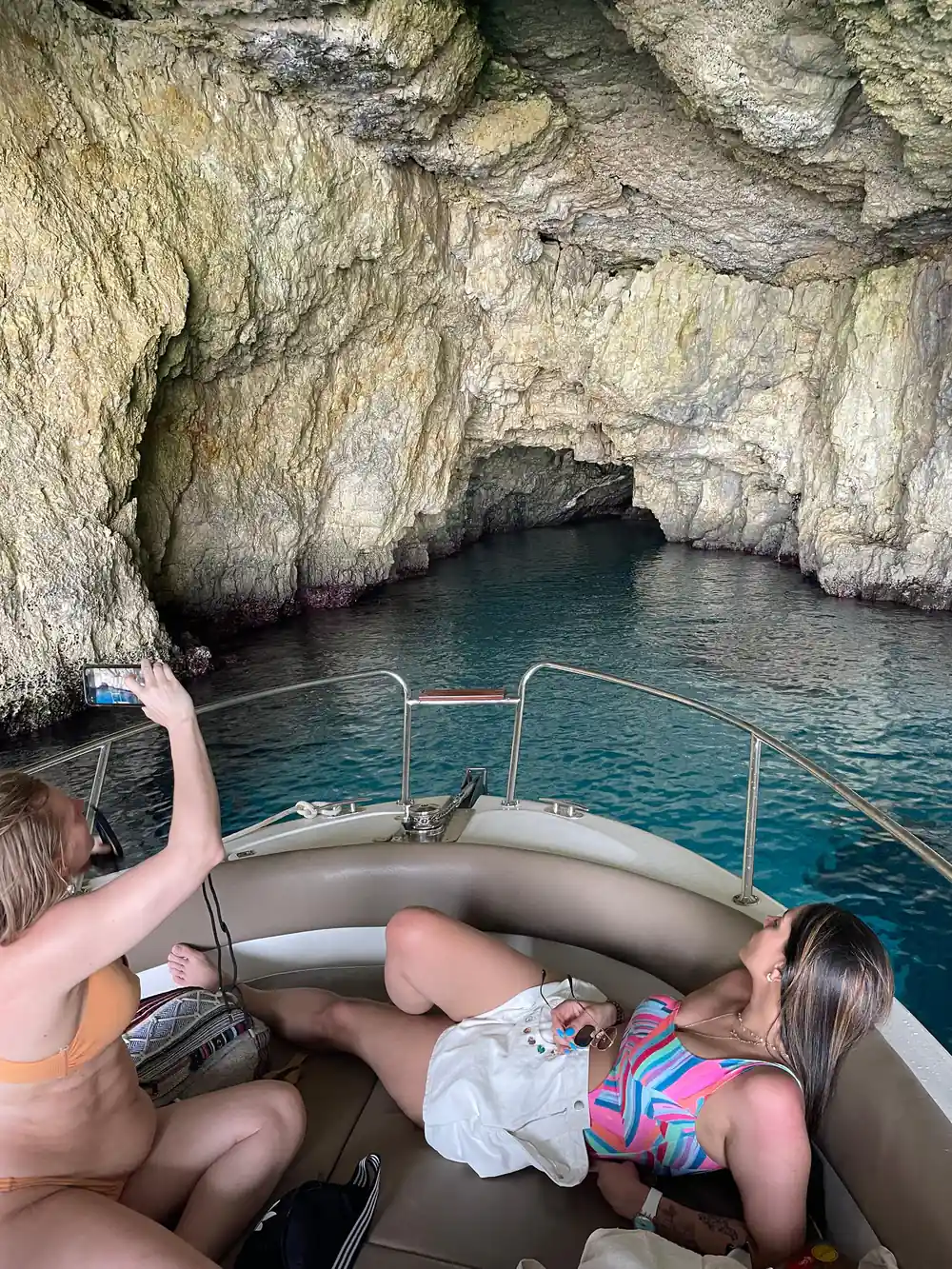
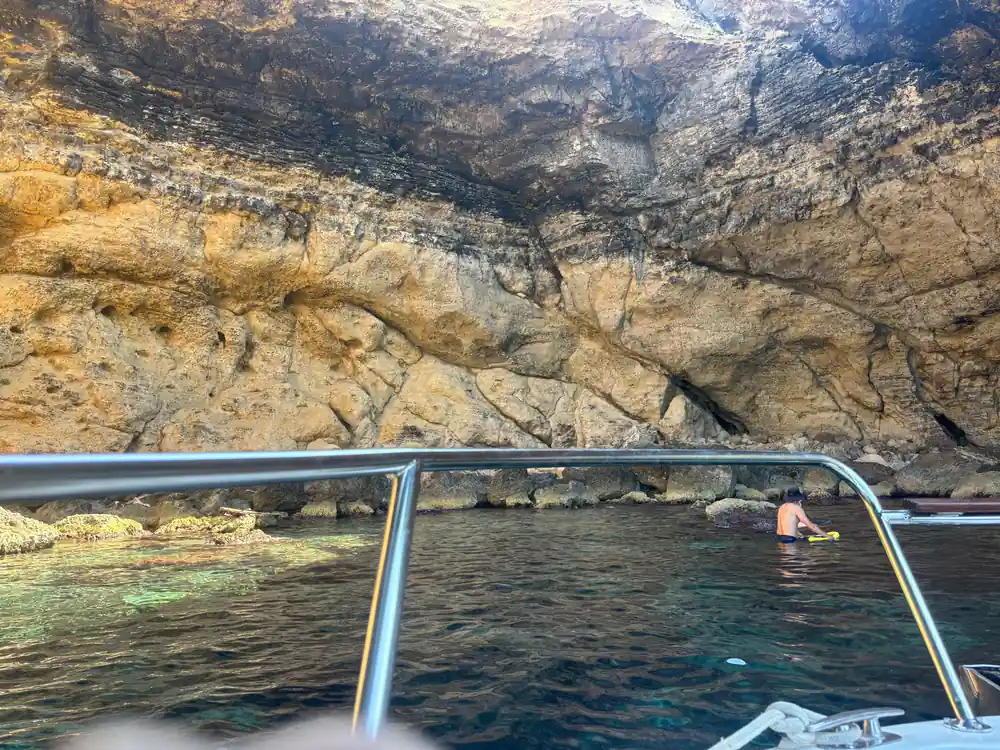
The Santa Maria Caves consist of five caves on Comino,[7] and the water around the island is that famous turquoise because light reflects back up through the shallow, clear water from the white sand below.[8] Comino is a bird sanctuary and nature reserve, a Natura 2000 marine protected area.[9] Take photographs and nothing else. Leave shells, stones and sea life where they are, keep a respectful distance from the cliffs, and remember that around 150-220 pairs of Yelkouan shearwater are estimated to nest on Kemmuna.[10]
from US$195
Private group, live English guide, wheelchair access and free cancellation up to 24 hours in advance.[2]
Keeping things dry and safe
A dry bag is the best small purchase for a boat day. It keeps towels, phones and spare clothes dry through splashes and swim stops, and it floats if it goes over the side. If you would rather travel light, a phone pouch on a lanyard does the same job for the one thing you will actually reach for. Pack a microfibre towel instead of heavy cotton, add a spare plastic bag for wet swimwear at the end of the trip, and keep a small cloth for drying your hands so your phone screen stays usable.
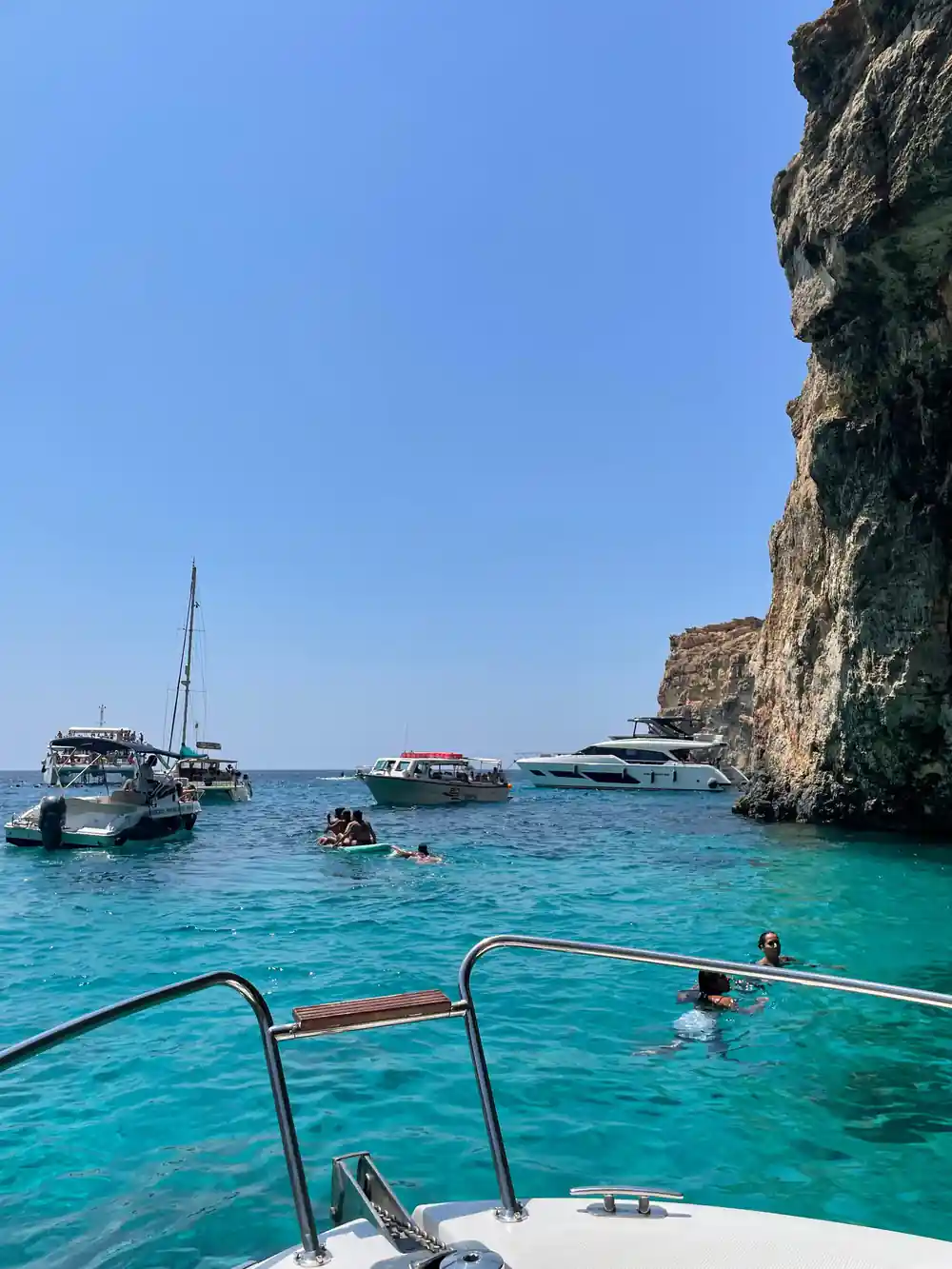
Keep valuables to a minimum. Leave jewellery, passports and anything you would hate to lose somewhere safe on land, and carry a little cash in a zipped pocket for a drink or a snack. Comino has an official population of 4,[11] and in July and August the Blue Lagoon receives between 2,500 and 3,500 visitors per day.[12] A boat of your own keeps your group clear of that crowd. Charge your phone the night before, since a morning of photographs drains a battery faster than most people expect.
Things better left on shore
Anything heavy, hard or awkward. Wheeled suitcases, big camera bags and bulky picnic hampers all have to be lifted, stowed and kept out of the way on a small boat, and they stay in the way all day. Soft bags pack down, sit still and are easier to carry from the quay. If you plan to bring food or drinks, ask the operator what works on your boat first, and choose containers that close properly rather than cups and open bottles that tip over on a moving deck.
Valuables belong in a hotel safe. Rings and watches slip off wet fingers, and a boat deck is a bad place to learn that lesson. Drones, large speakers and anything that needs its own space usually spend the whole trip in a bag rather than in the day. Bring what you will genuinely use: one book, one camera, one pair of flip flops and a bag that closes. For anything unusual, ask the operator about the specific boat you have booked before you turn up at the meeting point with it.
The short version
If you read nothing else: swimwear, quick-dry towel, high-factor sunscreen, hat, sunglasses on a strap, a windproof layer, water shoes, a dry bag and a water bottle. Add a rash vest, your own snorkel mask and a warm long-sleeved top in the cooler months. Leave the suitcase, the jewellery and the second camera at the hotel. Charge your phone, take a little cash, and pack everything into one soft bag you can carry yourself.
Then let the day be simple. The boat leaves with your group aboard and a guide who speaks English, and the swim stops are the point of the trip.[2] Between swims there is the Santa Marija Tower, a defensive structure completed in 1618 during the reign of Grand Master Alof de Wignacourt,[13] then the cliffs and water so clear you can watch your own shadow on the sand. Pack for sun, pack for wind, pack light, and the rest of the day looks after itself.
Air and sea temperatures in Malta
Air figures are 1991-2020 daily mean temperatures for Valletta[5]; sea figures are average Sliema water temperatures[6].
From-prices for private boat tours
From-prices of private group boat listings[2][14][15][16].
When to book your Blue Lagoon boat day
Packing for a boat day
Book the boat
Pick your date, then reserve now and pay later, with free cancellation up to 24 hours in advance.[2]
Check the wind
Look at wind as well as temperature. A breezy afternoon on open water feels very different from a still morning on the quay.
Pack one soft bag
Swimwear, towel, sunscreen, hat, windproof layer, water shoes and a dry bag. Everything else stays at the hotel.
Dress for both
Wear swimwear under light clothing and bring a long-sleeved top for the ride home and for sitting out of the sun.
Protect the small stuff
Phone in a waterproof pouch, cash in a zipped pocket, and nothing valuable on your hands or wrists for the day.
Pack light, book the boat, and let the skipper find the quiet water
from US$195Reserve now & pay later